


What Is Neem?
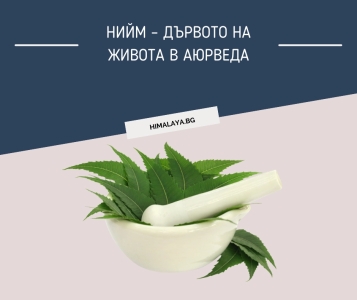
Neem (Azadirachta indica) is one of the most revered medicinal plants in Ayurveda. Native to the Indian subcontinent, it has been used for more than 2,000 years to support health and well-being. Nearly every part of the tree—including its leaves, bark, flowers, fruits, seeds, oil, resin, and roots—has a traditional use in Ayurvedic medicine.
In the ancient Ayurvedic text Charaka Samhita, Neem is described as Sarva Roga Nivarini, meaning "the one that protects against many diseases." Although this is a traditional Ayurvedic description rather than a modern medical claim, it reflects the exceptional importance of Neem in India's healing traditions.
Today, Neem is best known for supporting healthy skin, the body's natural cleansing processes, oral hygiene, and overall wellness.
Why Is Neem Called the "Tree of Life"?
Neem is often referred to as the "Tree of Life" or the "Village Pharmacy" because almost every part of the tree has been traditionally used for health and personal care.
Its leaves are valued for internal wellness and skincare, the bark is included in traditional Ayurvedic formulations, the seed oil is widely used in natural cosmetics, and even the twigs have long been used as natural toothbrushes to help maintain oral hygiene.
According to Ayurveda, Neem has a cooling energy and a predominantly bitter taste (Tikta Rasa). These qualities make it particularly useful for balancing Pitta and Kapha doshas, especially in conditions associated with excess heat, oily skin, and the accumulation of Ama (metabolic toxins).
What Is Neem Best Known For?
Neem is regarded as one of Ayurveda's most versatile herbs. Traditionally, it is used to support:
The body's natural cleansing processes and healthy blood purification (Rakta Shodhana in Ayurveda).
Healthy, clear-looking skin and the natural balance of the skin microbiome.
Natural defenses against bacteria and fungi.
Antioxidant protection against oxidative stress.
Normal digestive function and gastrointestinal comfort.
Healthy gums and good oral hygiene.
Thanks to this broad range of traditional applications, Neem remains one of the most widely used herbs in Ayurvedic practice.
Neem in Modern Skincare
Today, Neem extract is a key ingredient in many skincare products formulated for oily and blemish-prone skin.
Its naturally purifying properties make it a popular choice in cleansers, face washes, masks, toners, soaps, and creams. Neem is frequently combined with herbs such as turmeric, aloe vera, and manjistha to help maintain a healthy-looking complexion and support the skin's natural balance.
Everyday Uses of Neem
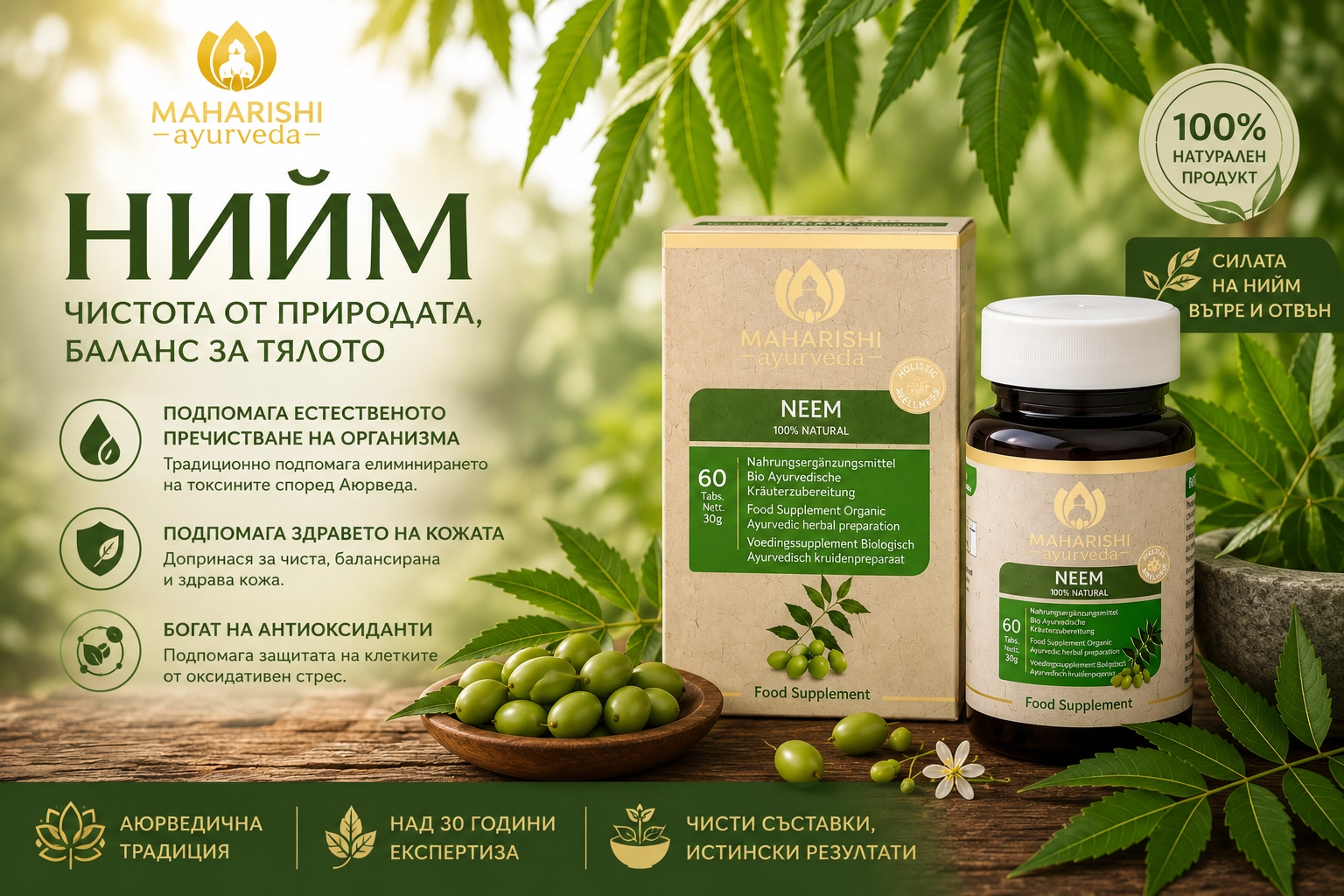
Neem is available in a variety of forms, making it easy to incorporate into a daily wellness routine.
It is commonly found in:
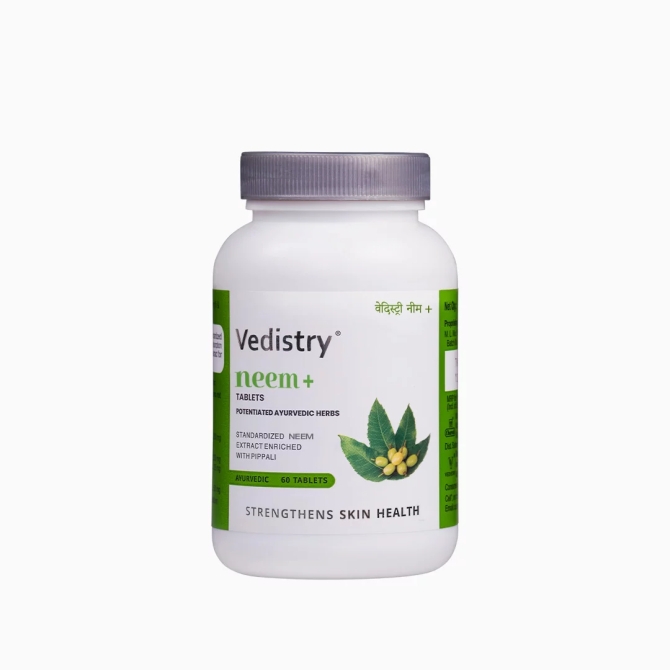
food supplements;
- facial cleansers and foams;
- exfoliating scrubs;
- face masks;
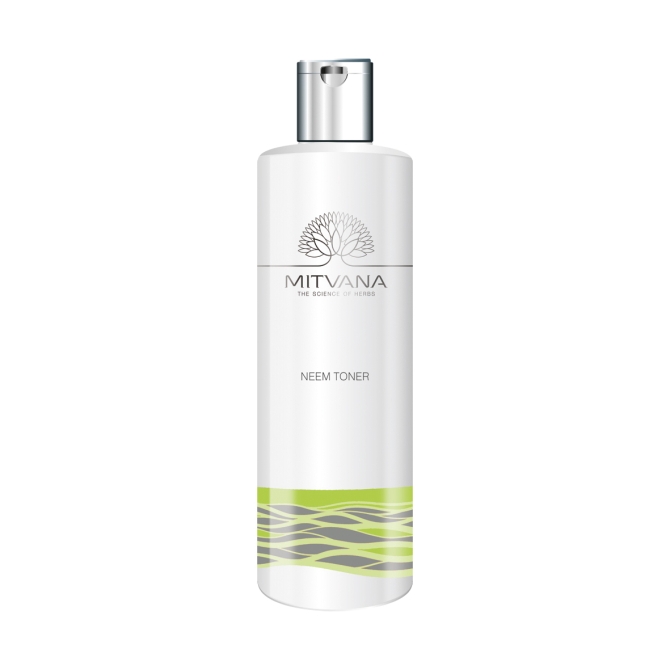
- facial toners;
- herbal creams;
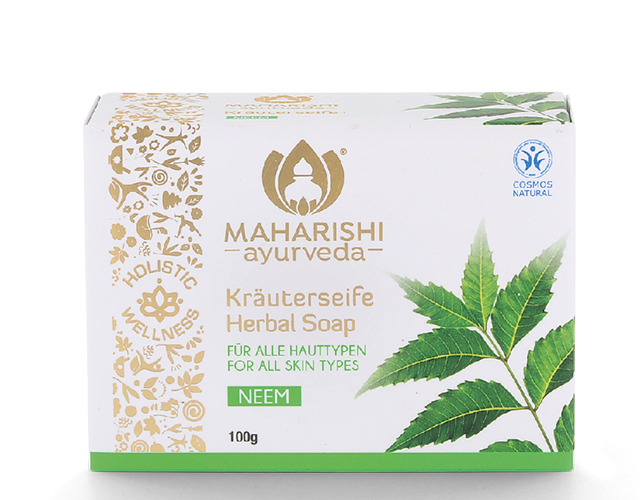
- soaps;
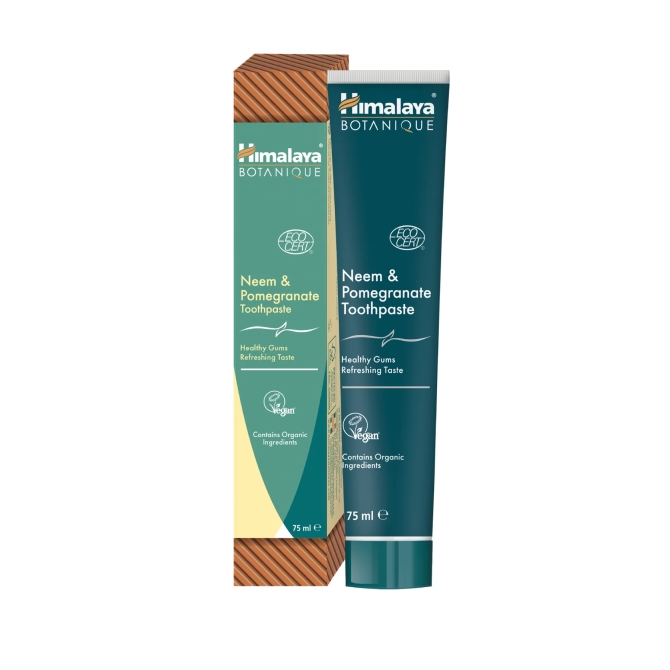
- herbal toothpastes;
- traditional Ayurvedic formulations.
Its versatility allows Neem to support wellness both internally and externally.
Precautions
Although Neem has a long history of traditional use, it is not suitable for everyone.
Neem is not recommended during pregnancy.
During breastfeeding, it should only be used after consulting a healthcare professional.
In Ayurveda, prolonged internal use of Neem is traditionally not recommended for individuals actively trying to conceive, particularly men. Some experimental studies suggest that Neem may influence fertility, although current human evidence remains limited and inconclusive.
Individuals taking medication or managing chronic health conditions should consult a healthcare professional before using Neem supplements.
Products Containing Neem
Neem is an important ingredient in a wide range of Himalaya Wellness products, including:
- Neem
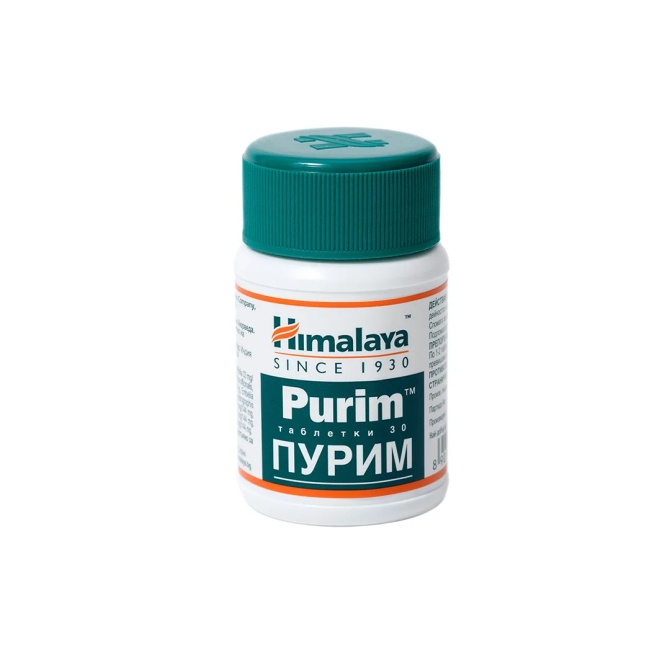
- Purim
- Clarina Cream
- Neem Face Wash
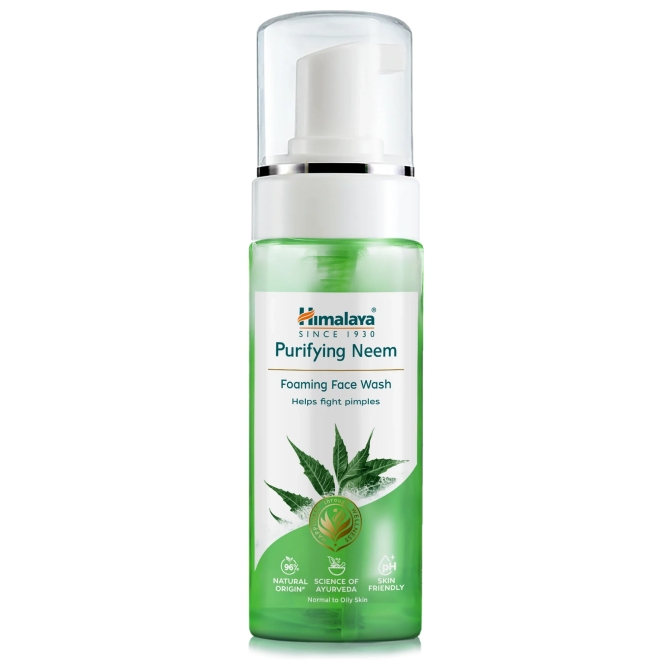
- Neem Purifying Face Foam
- Neem Purifying Face Pack
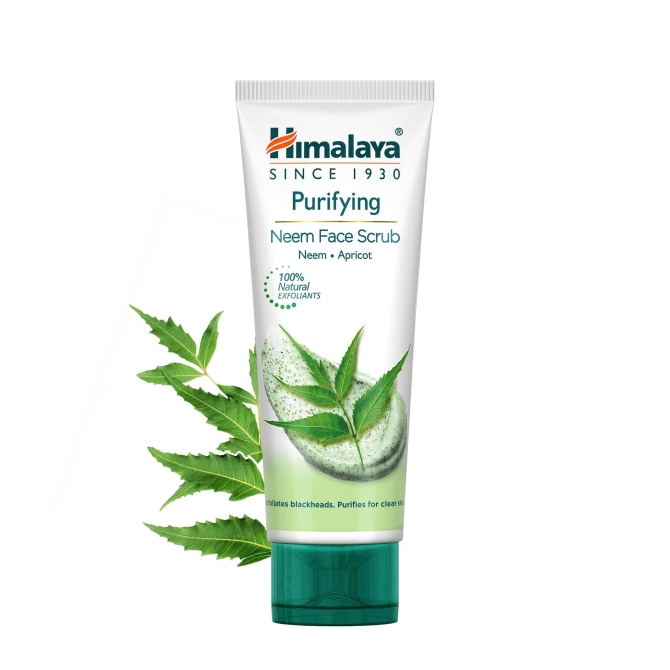
- Neem Purifying Face Scrub
- Neem Purifying Face Toner
- Neem & Turmeric Soap
- Exfoliating Face Wash
- Complete Care Herbal Toothpaste
- Pilex










Post comment