







What Is Ojas? Ayurveda’s Finest Essence of Life
Some words cannot be translated in a single sentence. Ojas is one of them. Ancient Ayurvedic texts speak of Ojas with particular reverence. It is described as the finest essence of a well-nourished body—the vital force that sustains life, resilience, and a person’s natural radiance. If Agni is the fire that transforms food, and Ama is the residue left behind when that transformation is incomplete, then Ojas is the purest fruit of proper digestion and assimilation.
- We cannot see it directly.
- We cannot measure it with an ordinary instrument.
- Yet, according to Ayurveda, we can recognise its presence.
The Eight Drops of Life
Classical Ayurveda distinguishes between two manifestations of Ojas.
- Para Ojas is its subtlest and most vital form. Tradition speaks of eight drops that reside in the heart. Their loss is associated with the loss of life itself.
- Apara Ojas circulates throughout the body, supporting resilience, strength, and vitality.
This image should not necessarily be understood as a literal anatomical description. Rather, it reveals the precious place Ojas holds within the Ayurvedic understanding of the human being—as an inner reserve of life force that must be protected with great care.
How Is Ojas Created?
According to Ayurveda, nourishment does not end in the stomach. Properly digested food gradually nourishes the body’s seven fundamental tissues:
- Rasa—nutritive fluids and plasma;
- Rakta—blood;
- Mamsa—muscle tissue;
- Meda—adipose tissue;
- Asthi—bone tissue;
- Majja—bone marrow and nervous tissue;
- Shukra—reproductive tissue.
When this process of transformation unfolds properly and all seven tissues are fully nourished, their finest essence is created. That essence is Ojas. Ojas is therefore not the result of a single food, herb, or night of good sleep. It is built gradually through the way we eat, rest, think, feel, and live.
How Can We Recognise a Person with Strong Ojas?
Ayurveda does not speak only of physical strength. It speaks of presence. Of someone with clear eyes, natural radiance, and a calm voice. Of resilience that is not hardness, but the ability to pass through difficulties without losing one’s inner centre. Strong Ojas is traditionally associated with:
- vitality and good endurance;
- natural radiance in the skin and eyes;
- a calm and steady mind;
- contentment and emotional resilience;
- strong natural defences;
- the ability to recover;
- warmth, compassion, and inner gentleness.
A person with abundant Ojas still becomes tired, feels sorrow, and experiences hardship. The difference is that they possess the inner resources needed to return to balance.
What Depletes Ojas?
Ojas may be weakened by more than illness alone. According to Ayurvedic tradition, it can gradually be depleted by:
- prolonged lack of sleep;
- constant stress and fear;
- excessive work and physical exhaustion;
- irregular or insufficient nourishment;
- food that is difficult to digest;
- suppressed emotions and prolonged grief;
- excessive sensory stimulation;
- a life with no time for stillness and restoration.
Rest is therefore not a luxury. In the Ayurvedic sense, it is one of the ways we avoid wasting our finest vital essence.
How Can We Nourish Ojas?
Ojas is not built through extremes. It does not appear after a short detox, an intensive regime, or a single miraculous herb. It is nourished by the things the body recognises as safety, rest, and genuine sustenance.
Warm Milk in the Evening—An Ancient Drink for Ojas
One of Ayurveda’s most interesting recommendations is a cup of warm fresh milk in the evening. This idea often clashes with modern debates about adults’ ability to digest dairy products. Ayurveda, however, does not regard milk as a universal recommendation that is suitable for every person in every form. It refers to high-quality milk that is:
- well tolerated by the individual;
- boiled or gently heated;
- consumed warm rather than cold from the refrigerator;
- taken on its own, without incompatible food combinations;
- prepared with spices that support its digestion.
When it suits the individual, milk is considered one of the foods that most directly nourishes the tissues and supports the formation of Ojas.
It may be combined with:
- cardamom, which makes it more aromatic and easier to digest;
- a pinch of turmeric for warmth and a balancing evening ritual;
- cinnamon for its pleasant aroma;
- a very small amount of nutmeg, traditionally used in the evening;
- a few strands of saffron in special nourishing preparations.
Milk is not suitable for everyone. People with lactose intolerance, an allergy to milk protein, or those who experience heaviness, excess mucus, or digestive discomfort after consuming it should not drink it simply because it is a traditional Ayurvedic recommendation. Ayurveda always places the individual response above a general rule.
Foods That Bring Softness and Nourishment
To support Ojas, Ayurveda traditionally recommends fresh, nourishing, and easily digestible foods such as:
- ghee;
- soaked and peeled almonds;
- dates and raisins;
- ripe, sweet fruit;
- well-cooked rice;
- warm soups and cooked meals;
- kitchari;
- saffron;
- high-quality honey, which should never be heated.
This is not a list of “superfoods” to consume mechanically. Even the most nourishing food cannot build Ojas when Agni is unable to process it properly. The right food must therefore be not only nutritious, but also appropriate for the individual, the season, and the current state of digestion.
Sleep, Stillness, and Rhythm
Ojas is nourished by:
- regular and sufficient sleep;
- eating at roughly the same times each day;
- gentle movement that does not lead to exhaustion;
- breathing practices, meditation, and moments of silence;
- walks in nature;
- moderation;
- a sense of home, safety, and belonging.
The body cannot create a reserve of vitality when it is constantly anticipating the next danger, demand, or task. Sometimes, the first step towards greater Ojas is not to add another practice, but to remove some of the constant rushing.
Love Is Nourishment Too
One of Ayurveda’s most beautiful ideas is that Ojas is not created through food alone. It is also nourished by:
- love;
- trust;
- supportive relationships;
- gratitude;
- sincere laughter;
- beautiful music;
- compassion;
- conversations that leave us feeling calmer rather than depleted.
What we take in through the senses, thoughts, and emotions also becomes part of us.
The Connection Between Agni, Ama, and Ojas
These three concepts can be understood as parts of the same process.
- Agni transforms food and experiences.
- When that transformation remains incomplete, Ama is formed—the residue of what has not been properly digested or assimilated and begins to burden the system.
- When Agni functions well, the tissues receive proper nourishment, and Ojas is gradually created.
Ojas is therefore not built simply by consuming richer or more nourishing foods. Sometimes, we must first care for Agni, reduce the accumulation of Ama, and only then introduce more deeply nourishing foods and remedies.
Rasayana—The Art of Preserving Vitality
Ayurveda includes a specialised branch known as Rasayana. The word is often translated as “rejuvenation,” although its meaning is much broader. Rasayana encompasses nutrition, behaviour, daily routine, care for the mind, and traditional preparations used to support vitality and resilience. Rasayana does not begin with a product. It begins with a question:
Are we creating the conditions in which the body can restore itself, or are we constantly using up its reserves?
Once sleep, nourishment, and lifestyle have laid the foundation, certain Ayurvedic formulas may be included as part of a more complete approach to care.
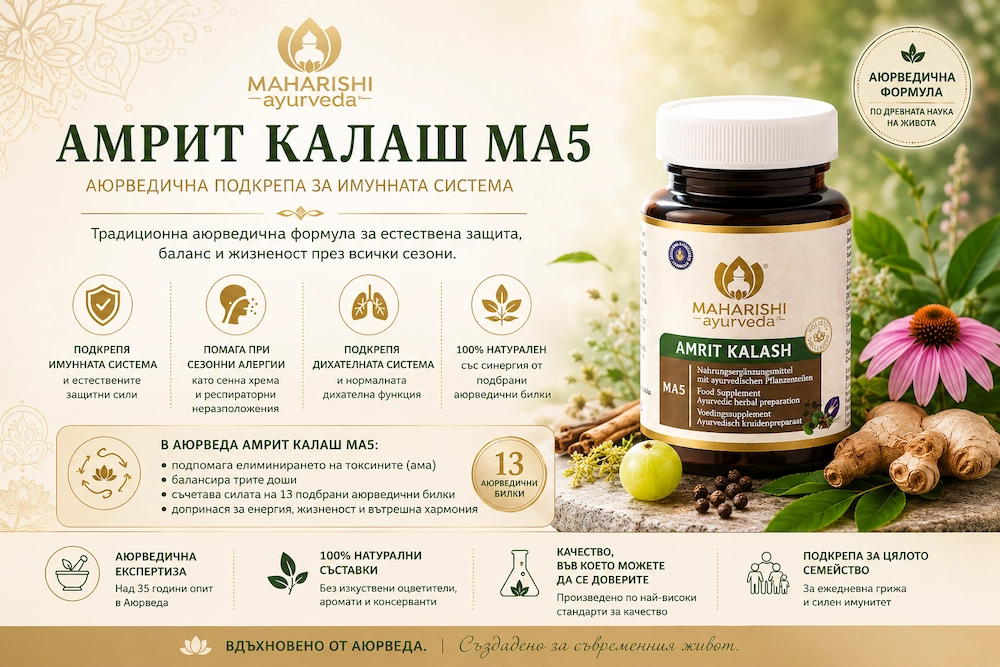
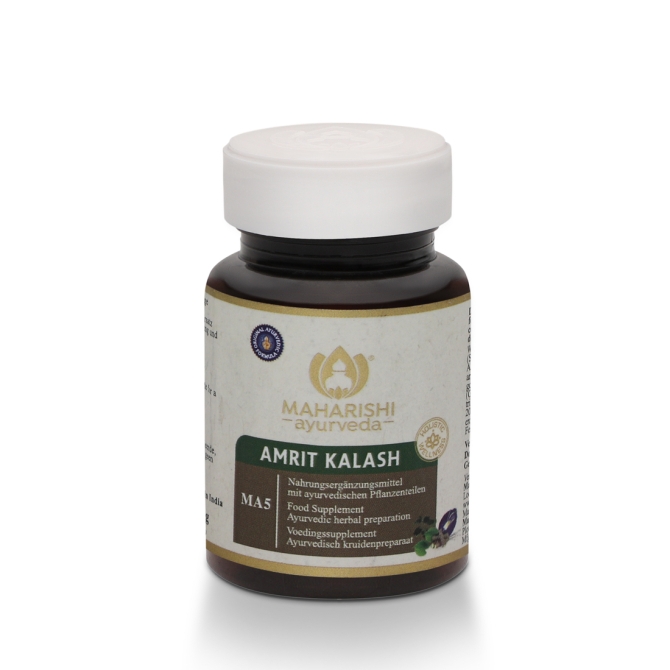
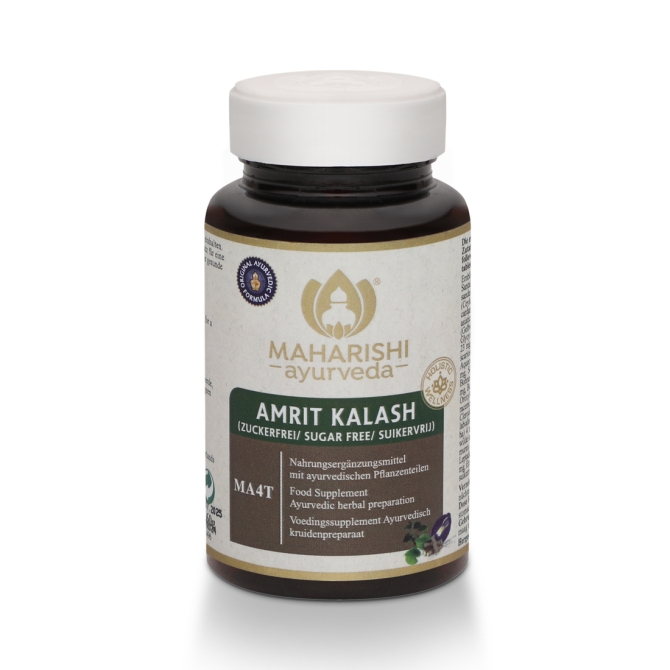
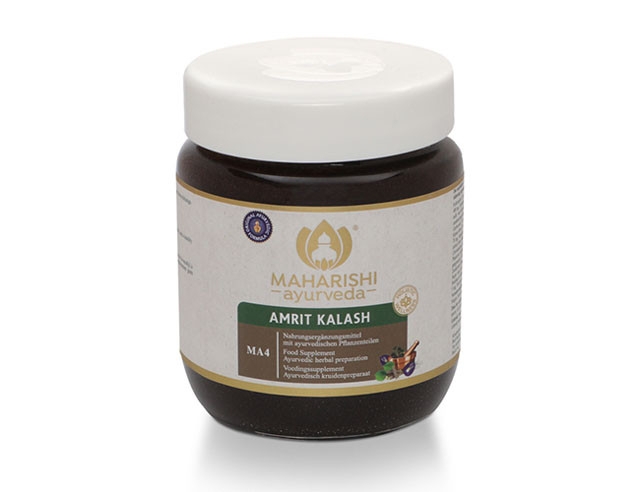
Maharishi Amrit Kalash—a Comprehensive Rasayana Formula
Maharishi Amrit Kalash is one of the best-known Maharishi Ayurveda formulas created within the Rasayana tradition. It combines numerous botanical ingredients in two complementary parts and is intended for people seeking comprehensive Ayurvedic support for vitality, natural resilience, and overall balance. Amrit Kalash should not be viewed as something that instantly “creates Ojas.” It is more consistent with Ayurvedic philosophy to see it as part of a routine that also includes nourishing food, sufficient sleep, movement, and time for restoration.
Rasayana with Iron—Nourishing Support When Iron Is Needed
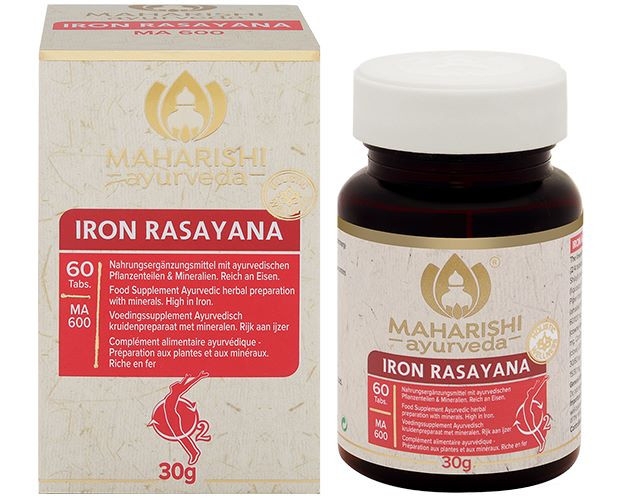
Rasayana with Iron combines the principles of traditional Ayurvedic nourishment with iron. It may be a suitable option for people seeking support during periods of increased iron requirements, tiredness, or greater physical demands. However, the presence of iron makes an individual assessment particularly important. When iron deficiency is suspected, appropriate tests should be carried out first, and the product should be taken according to the advice of a doctor or another qualified healthcare professional. Iron is not an ingredient that should be used preventively without an established need.
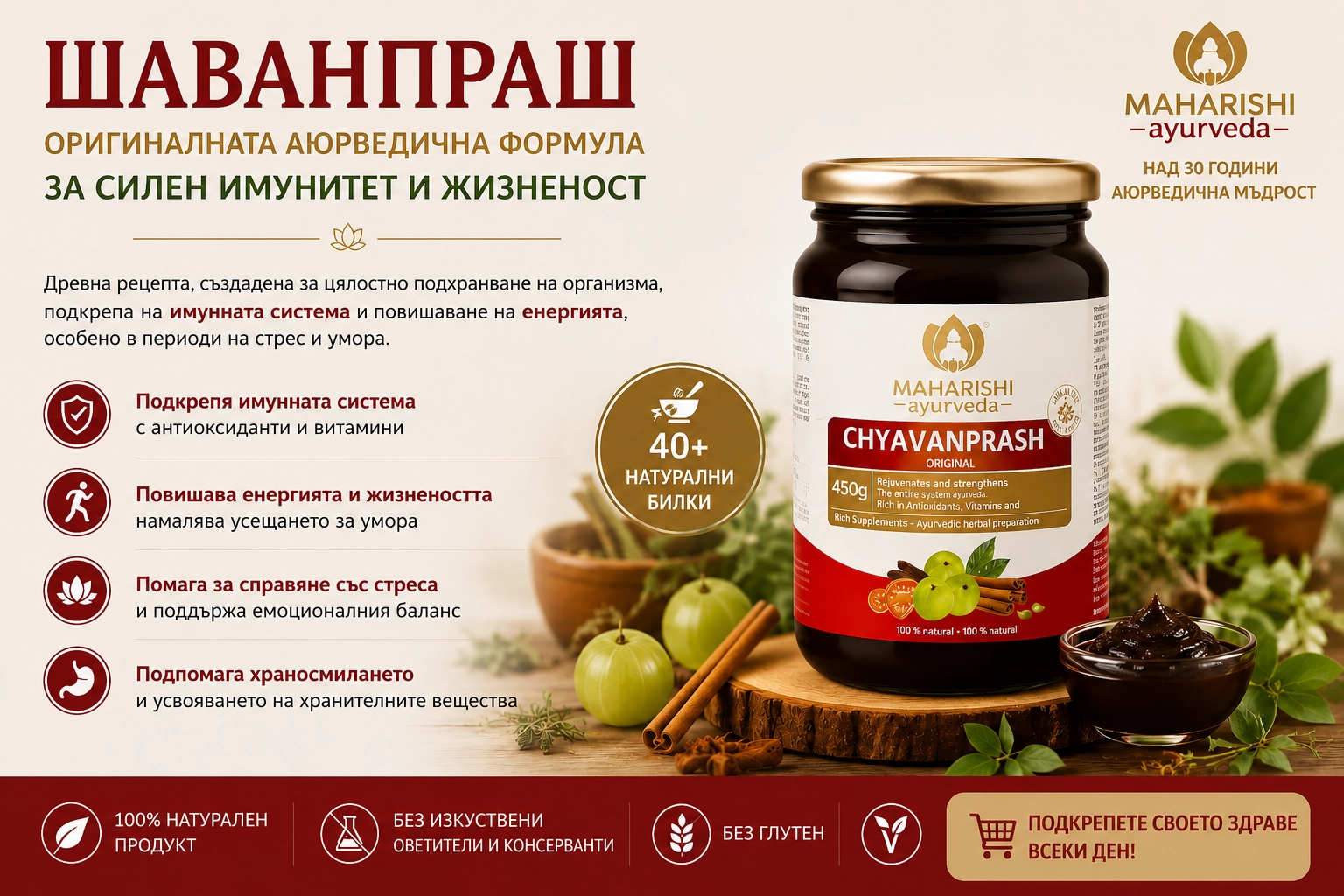
Chyawanprash—Ayurveda’s Traditional Tonic Jam
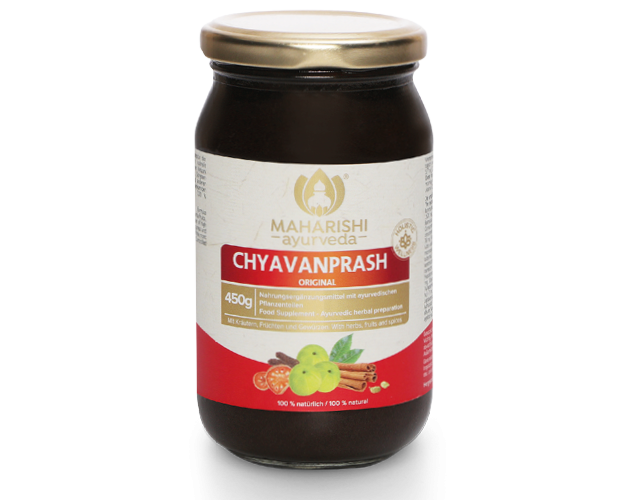
Chyawanprash is one of the most recognisable Rasayana preparations in Ayurveda. It is a thick herbal paste traditionally prepared with amla and a combination of spices and botanicals. Chyawanprash is consumed as part of a daily routine intended to nourish the body, support vitality, and maintain its natural resilience. Its rich, sweet consistency distinguishes it from ordinary tablets and capsules. Chyawanprash is not simply a collection of herbs, but a traditional food-based formula—an example of how, in Ayurveda, the boundary between nourishment and health care is often very subtle. The most suitable choice between Amrit Kalash, Rasayana with Iron, and Chyawanprash depends on individual needs. They are not three interchangeable products, but different approaches within the broader philosophy of nourishment and restoration.
Ojas Cannot Be Bought—It Must Be Created
No food or formula can replace sleep, healthy digestion, peace of mind, and human connection. Yet carefully selected foods, herbs, and Rasayana preparations can become part of the environment in which the body restores its natural strength. In a world that constantly teaches us how to produce more, Ojas invites us to ask a different question:
How well are we protecting the vitality we already possess?








Post comment