



Psyllium husk is one of those natural products that seems to have suddenly become popular – added to smoothies, breakfasts and healthy recipes, and often recommended as an easy way to increase daily fibre intake. In fact, psyllium is far from new. Known in India as Isabgol, it has a long tradition of use for supporting healthy digestion and regular bowel movements. Today, interest in psyllium is even greater because many of its traditional uses can also be explained through modern science.
What Is Psyllium Husk?
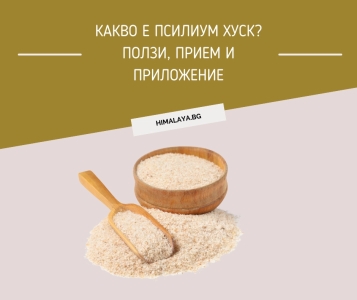
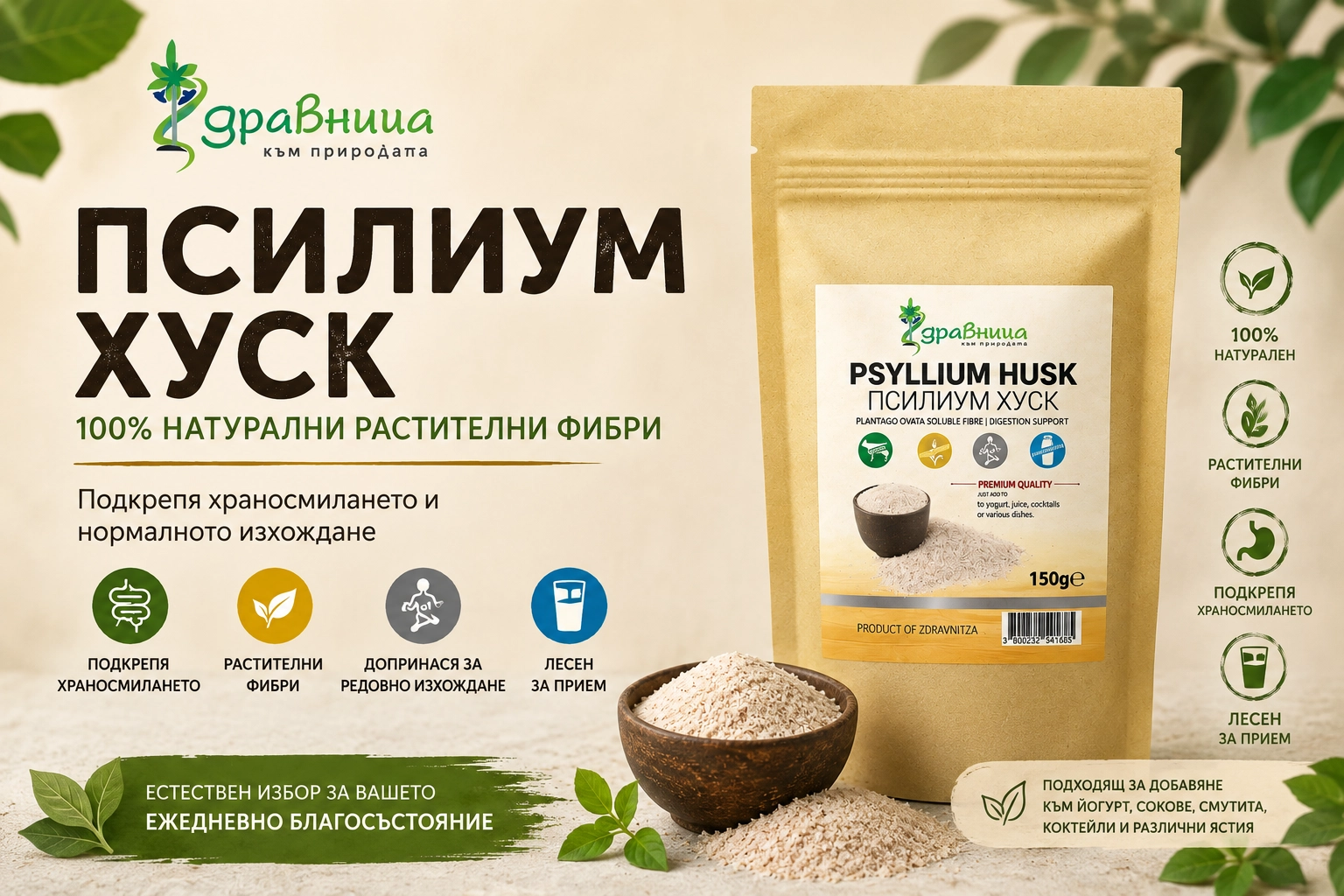
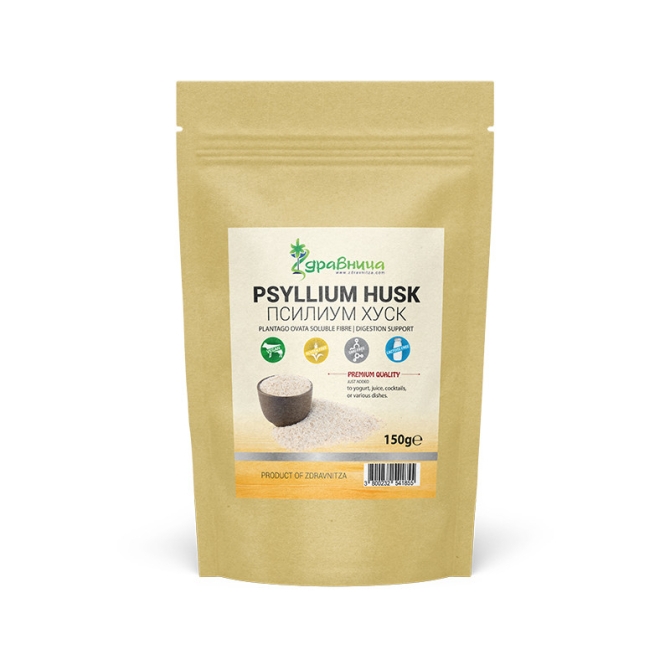
Psyllium comes from the plant Plantago ovata. What we call psyllium husk is the outer coating of its seeds. These fine husks are particularly rich in soluble fibre and have one fascinating property – when they come into contact with water, they swell and form a gel-like substance. This ability is behind many of psyllium's effects on the digestive system.
Why Has Psyllium Become So Popular?
One of the main reasons is the growing interest in fibre and gut health. Many modern diets contain insufficient amounts of natural sources of fibre, and psyllium offers a relatively easy way to increase fibre intake. The viscous gel formed when psyllium comes into contact with water is also being studied in relation not only to bowel regularity, but also to cholesterol levels, satiety and glycaemic response.
Psyllium Husk and Digestion
This is probably the best-known use of psyllium. When taken with enough liquid, its fibres absorb water and increase the volume of intestinal contents. This can help support their movement through the digestive tract and promote regular bowel movements. Psyllium differs from strong laxative herbs because it does not aggressively stimulate the intestines. Its action is primarily related to its ability to retain water and influence the consistency of intestinal contents.
Is Psyllium Only Used for Constipation?
No. Modern research is also exploring psyllium in relation to:
- maintaining a healthy lipid profile;
- glycaemic response after meals;
- feelings of fullness and satiety;
- increasing the overall intake of soluble fibre.
This does not make psyllium a treatment for diabetes, high cholesterol or weight loss. It does, however, explain why soluble fibre has become such an interesting area of modern nutritional research.
Psyllium in Ayurveda – Isabgol
In India, psyllium is known as Isabgol and has traditionally been used to support digestive comfort and regular bowel movements. In Ayurvedic practice, it is considered cooling and soothing to the digestive tract. There is an interesting difference between psyllium and many other herbs used in Ayurveda. It is neither strongly aromatic nor warming like ginger, and it is not a complex herbal combination like Triphala. Its strength lies in a very simple physical property – its ability to absorb water and form a soft gel.
Psyllium or Triphala?
Both are often associated with digestion, but they work in very different ways. Psyllium husk is primarily a source of soluble fibre. Its main action is physical – it absorbs water and increases in volume. Triphala, on the other hand, is a classical Ayurvedic combination of three fruits – Amalaki, Bibhitaki and Haritaki – with a much broader role in traditional Ayurvedic practice. For this reason, psyllium and Triphala should not be considered interchangeable.
How to Take Psyllium Husk
There is one particularly important rule:
- Psyllium should always be taken with an adequate amount of liquid.
- When mixed with water, it quickly begins to swell and thicken. It is usually stirred into water or another liquid and consumed according to the instructions for the specific product.
- The appropriate amount depends on the product and its intended use, so it is best to follow the directions on the packaging.
How Can You Add Psyllium to Your Diet?
Psyllium husk can be added to:
- yoghurt;
- smoothies;
- oatmeal;
- certain baked and gluten-free recipes.
Keep in mind that psyllium absorbs a considerable amount of water and can thicken foods and drinks quite quickly.
Are There Any Side Effects?
A sudden increase in fibre intake may cause bloating, gas or changes in bowel movements. It is particularly important not to consume psyllium dry or without sufficient liquid. People who have difficulty swallowing or intestinal obstruction, as well as those who regularly take medication, should consult a doctor or pharmacist before using psyllium.
Why Is Psyllium Still Interesting Today?
Psyllium husk is a good example of where traditional use meets modern science. A simple plant traditionally used in India to support digestive comfort continues to attract scientific interest because of its soluble fibre and the way it interacts with the digestive system. It is not an exotic “super remedy” that promises to solve everything. It is simply the husk of Plantago ovata seeds with one remarkable property – the ability to retain large amounts of water and form a gel. And sometimes the simplest mechanisms turn out to be the most useful.







Post comment