



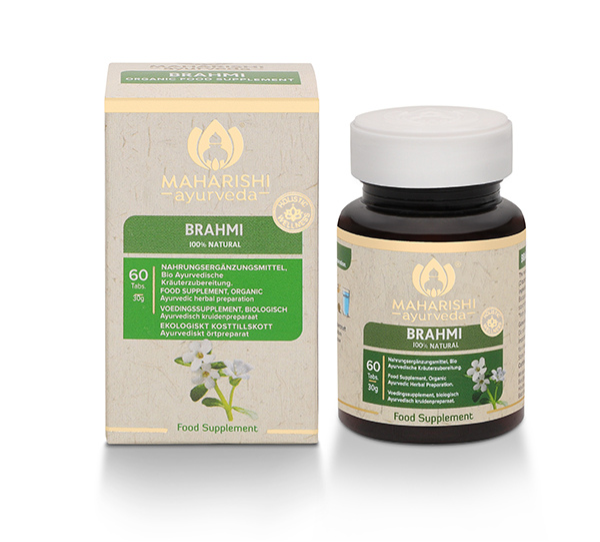

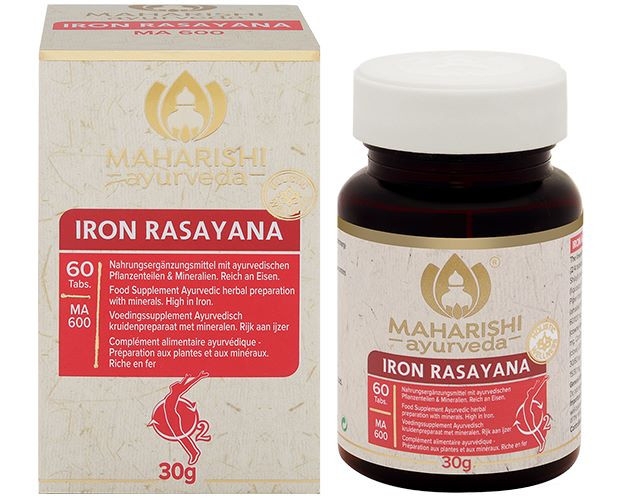





Ayurveda is one of the world's oldest holistic health systems, practiced for more than 5,000 years. The word Ayurveda comes from the Sanskrit words Ayus (life) and Veda (knowledge), and literally means "the science of life."
At the heart of Ayurveda lies the understanding that every individual is unique. Our physical body, mind, emotions and overall well-being are influenced by a unique combination of the three doshas – Vata, Pitta and Kapha.
Doshas are not physical substances or organs. They are functional biological principles that regulate every process in the body, including movement, metabolism, growth, repair and mental balance. When the doshas are in harmony, the body functions optimally. When one or more become imbalanced, physical and emotional discomfort may gradually develop.
Although everyone possesses all three doshas, one or two usually predominate, creating each person's unique constitutional type.
What Are the Doshas?
According to Ayurveda, everything in nature—including the human body—is made up of the five great elements: ether (space), air, fire, water and earth.
The interaction of these elements forms the three doshas:
- Vata – ether and air
- Pitta – fire and water
- Kapha – earth and water
Each dosha performs a specific role in maintaining health:
- Vata governs movement, the nervous system and communication throughout the body.
- Pitta regulates digestion, metabolism, body temperature and all processes of transformation.
- Kapha provides structure, stability, lubrication and nourishment.
Good health does not mean having equal amounts of each dosha. Instead, it means maintaining the natural balance that is unique to your constitution.
Prakriti and Vikriti
Two essential concepts in Ayurveda are Prakriti and Vikriti.
Prakriti refers to your innate constitution—the unique balance of the three doshas established at birth. It remains relatively stable throughout life.
Vikriti represents your current state of balance. It changes over time in response to diet, stress, seasons, age, sleep, physical activity and environmental influences.
The goal of Ayurveda is to restore Vikriti as closely as possible to your original Prakriti through appropriate nutrition, lifestyle, herbs and daily routines.
Vata Dosha – The Principle of Movement
Vata is composed of the elements ether and air and is considered the force behind all movement in the body. It governs the nervous system, breathing, circulation, elimination, speech and even creativity and thought.
Because movement is essential for every physiological process, Ayurveda considers Vata the most influential dosha. When Vata becomes imbalanced, it often disturbs both Pitta and Kapha as well.
Characteristics of Vata-Dominant Individuals
People with a dominant Vata constitution are often energetic, creative and curious. They tend to think quickly, learn rapidly and possess vivid imaginations.
Typical physical characteristics include:
- Slim or light body frame
- Dry skin and hair
- Cold hands and feet
- Thin nails
- Variable appetite
- Light sleep
When Vata Is Balanced
Balanced Vata supports:
- Creativity
- Enthusiasm
- Mental flexibility
- Adaptability
- Energy
- Clear imagination
Signs of Vata Imbalance
Excess Vata may contribute to:
- Anxiety
- Restlessness
- Insomnia
- Gas and constipation
- Dry skin
- Joint discomfort
- Fatigue
- Difficulty concentrating
- Feeling overwhelmed
Organs and Systems Governed by Vata
Vata primarily influences:
- Colon
- Nervous system
- Bladder
- Pelvic region
- Bones
How to Balance Vata
Diet
Warm, nourishing and cooked foods help calm Vata.
Recommended foods include:
- Soups and stews
- Root vegetables
- Avocados
- Bananas
- Oats
- Rice
- Ghee
- Sesame oil
- Nuts
Cold drinks, dry foods and irregular eating habits are best minimized.
Yoga and Pranayama
Gentle, grounding practices are most beneficial.
Recommended practices include:
- Hatha Yoga
- Yin Yoga
- Restorative Yoga
- Nadi Shodhana
- Bhramari Pranayama
Massage
Daily Abhyanga using warm sesame oil is one of Ayurveda's most effective practices for calming Vata.
Herbs
Traditionally used herbs for balancing Vata include:
- Ashwagandha
- Shatavari
- Brahmi
- Tulsi (depending on the individual's condition)
Lifestyle
Vata thrives on routine and stability.
Helpful habits include:
- Consistent daily routines
- Adequate sleep
- Warm environments
- Meditation
- Relaxation
- Regular mealtimes
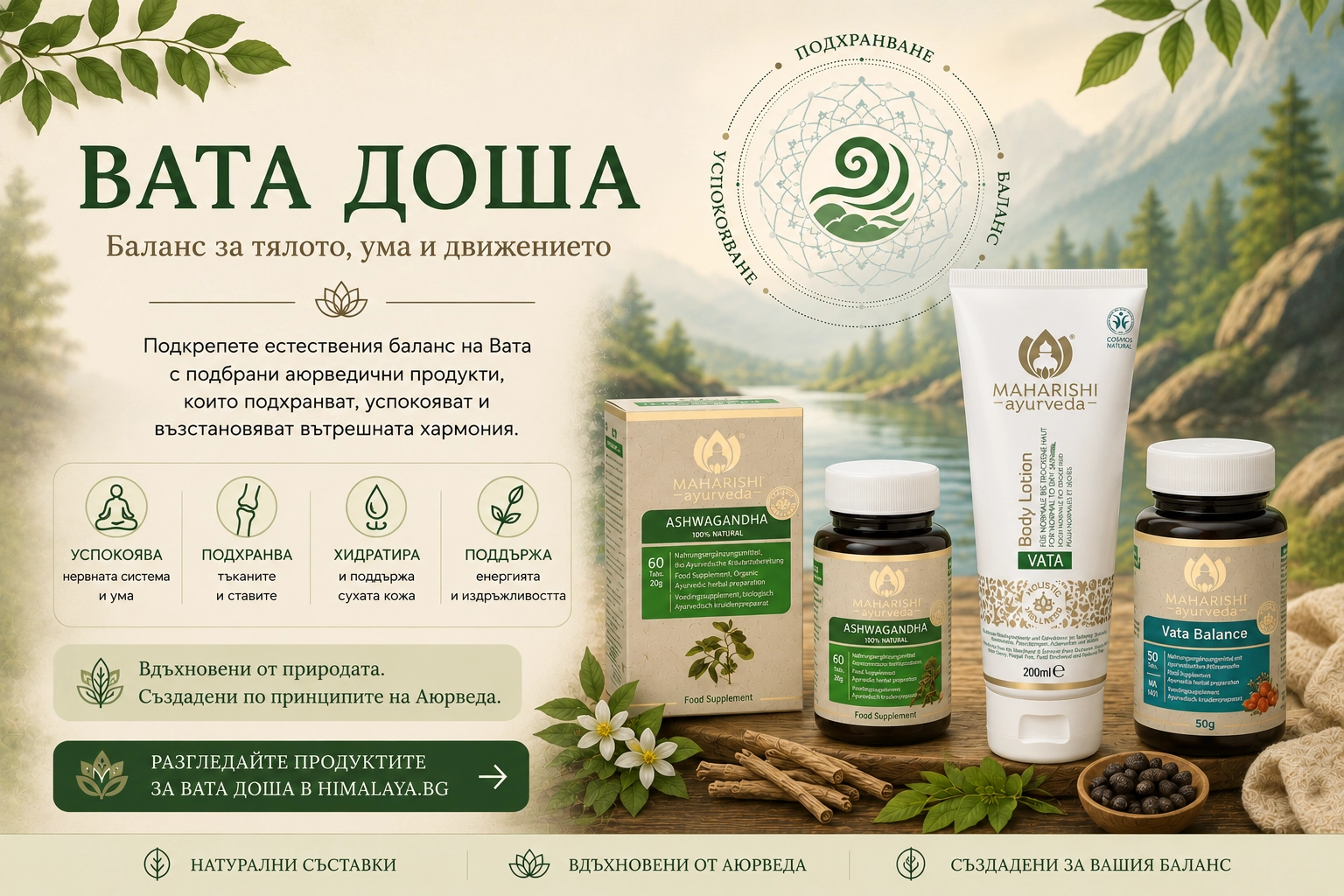
Pitta Dosha – The Principle of Transformation
Pitta combines the elements fire and water and governs digestion, metabolism, body temperature and all transformative processes within the body.
It is also associated with intelligence, concentration, ambition and decision-making.
Characteristics of Pitta-Dominant Individuals
People with dominant Pitta are often organized, ambitious and goal-oriented. They enjoy challenges, solve problems efficiently and frequently possess natural leadership abilities.
Typical physical characteristics include:
- Medium build
- Warm body temperature
- Strong appetite
- Sensitive skin
- Tendency to perspire easily
When Pitta Is Balanced
Balanced Pitta promotes:
- Strong digestion
- Sharp intellect
- Healthy skin
- Good concentration
- Clear judgment
- Leadership qualities
Signs of Pitta Imbalance
Excess Pitta may result in:
- Irritability
- Anger
- Acid reflux
- Inflammation
- Excessive sweating
- Heat intolerance
- Skin redness
Organs and Systems Governed by Pitta
Pitta primarily influences:
- Small intestine
- Liver
- Gallbladder
- Blood
- Digestive enzymes
How to Balance Pitta
Diet
Cooling and refreshing foods are ideal.
Recommended foods include:
- Leafy greens
- Cucumbers
- Zucchini
- Sweet fruits
- Coconut
- Rice
- Coriander
- Mint
Hot, spicy, fried and acidic foods should be limited.
Yoga and Pranayama
Moderate, calming practices work best.
Recommended practices include:
- Cooling pranayama techniques
- Moon Salutation
- Gentle Hatha Yoga
- Deep relaxation
Massage
Cooling oils traditionally recommended for Pitta include:
- Coconut oil
- Sunflower oil
Herbs
Common Ayurvedic herbs for balancing Pitta include:
- Shatavari
- Amla
- Brahmi
- Guduchi
Lifestyle
Pitta benefits from:
- Spending time in nature
- Regular relaxation
- Moderate exercise
- Avoiding excessive heat
- Stress management practices
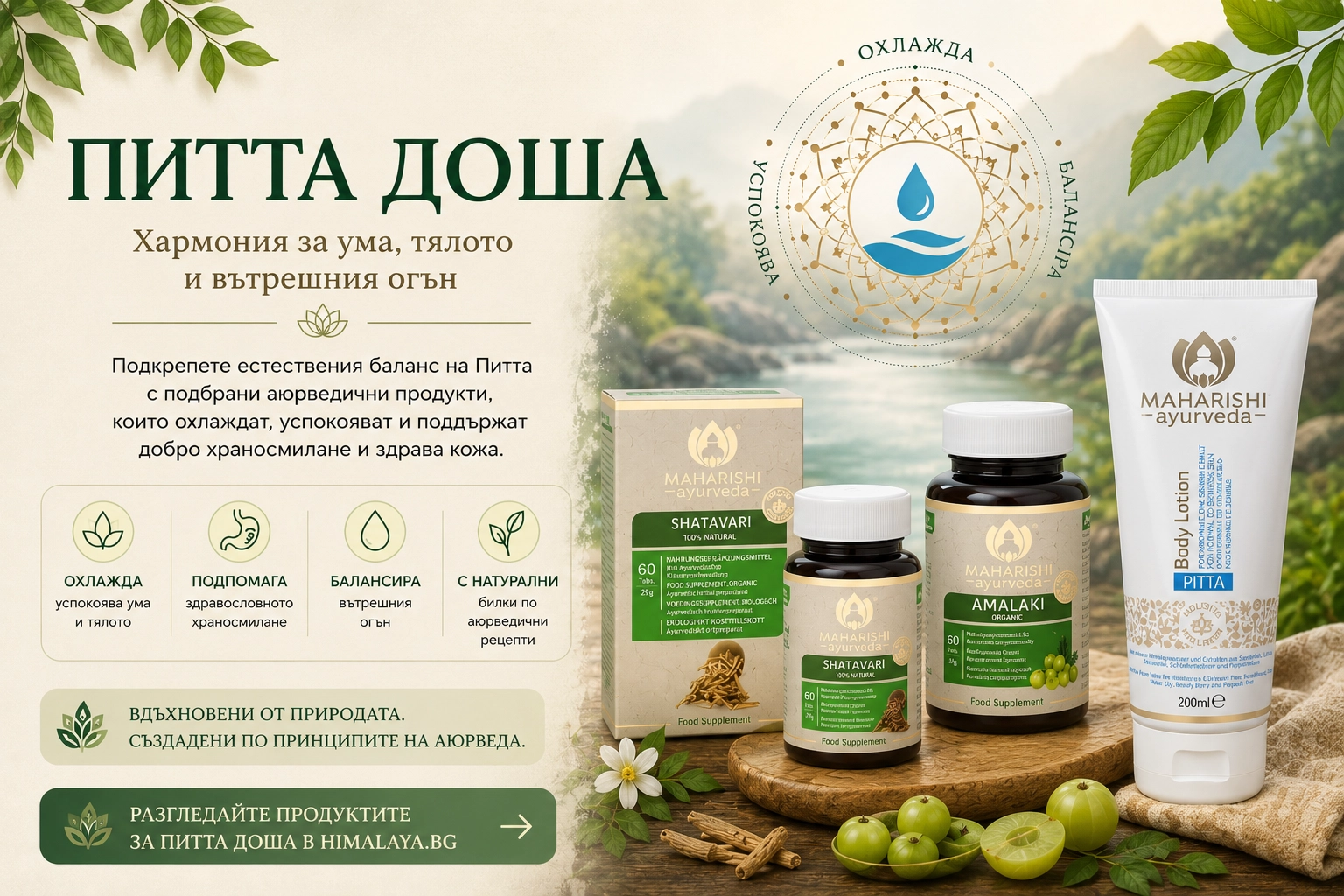
Kapha Dosha – The Principle of Structure and Stability
Kapha is formed from the elements earth and water. It provides physical strength, stability, lubrication and nourishment while supporting immunity and endurance.
Characteristics of Kapha-Dominant Individuals
People with dominant Kapha are generally calm, patient and emotionally stable. They often enjoy excellent stamina and build long-lasting relationships.
Typical physical characteristics include:
- Strong body frame
- Thick skin
- Full, healthy hair
- Solid physique
- Deep sleep
When Kapha Is Balanced
Balanced Kapha promotes:
- Strong immunity
- Physical endurance
- Emotional stability
- Healthy recovery
- Inner calm
Signs of Kapha Imbalance
Excess Kapha may lead to:
- Heaviness
- Low motivation
- Fluid retention
- Weight gain
- Sluggish digestion
- Sleepiness
- Slow metabolism
Organs and Systems Governed by Kapha
Kapha primarily influences:
- Stomach
- Lungs
- Lymphatic system
- Joints
- Adipose tissue
How to Balance Kapha
Diet
Light, warming foods help stimulate Kapha.
Recommended foods include:
- Green vegetables
- Legumes
- Apples
- Ginger
- Turmeric
- Black pepper
- Buckwheat
- Millet
Heavy, oily and sugary foods should be limited.
Yoga and Pranayama
Kapha responds well to vigorous exercise.
Recommended practices include:
- Vinyasa Yoga
- Ashtanga Yoga
- Sun Salutations
- Kapalabhati (when appropriate)
Massage
Stimulating massage with lighter oils or Garshana (dry massage) can help improve circulation and lymphatic flow.
Herbs
Traditionally used herbs include:
- Triphala
- Trikatu
- Ginger
- Turmeric
- Guggul
Lifestyle
Kapha benefits from:
- Daily physical activity
- Waking up early
- Variety and stimulation
- Active routines
- Avoiding prolonged inactivity

Balancing the Doshas for Optimal Health
According to Ayurveda, true health is not achieved by eliminating a dosha or trying to make all three equal. Every individual has a unique constitutional balance, and the goal is to support that natural state.
Through appropriate nutrition, regular movement, daily routines, Ayurvedic herbs and mindful living, it is possible to maintain harmony among Vata, Pitta and Kapha and support the body's natural ability to adapt, heal and thrive.
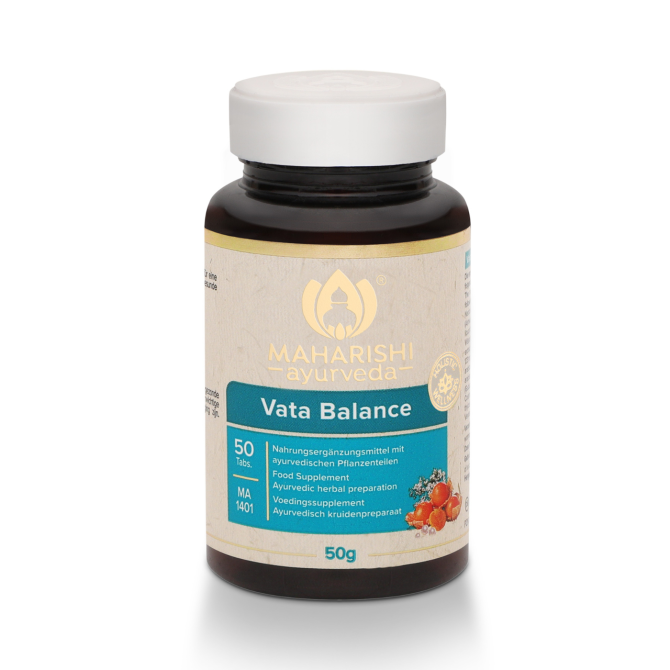
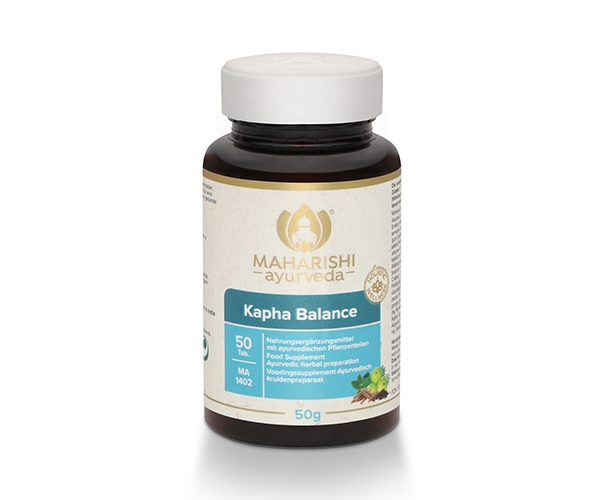
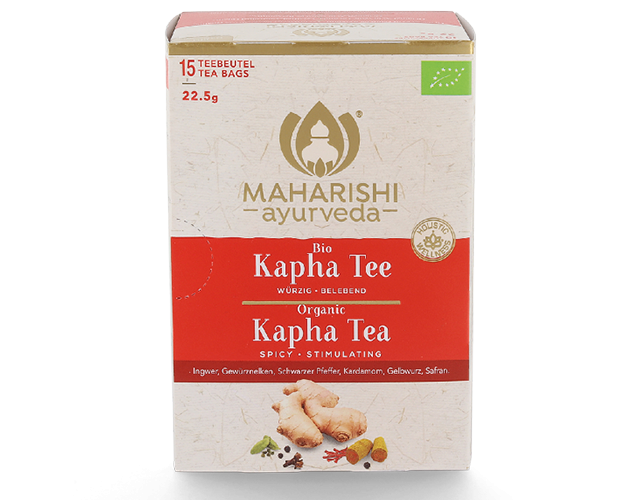
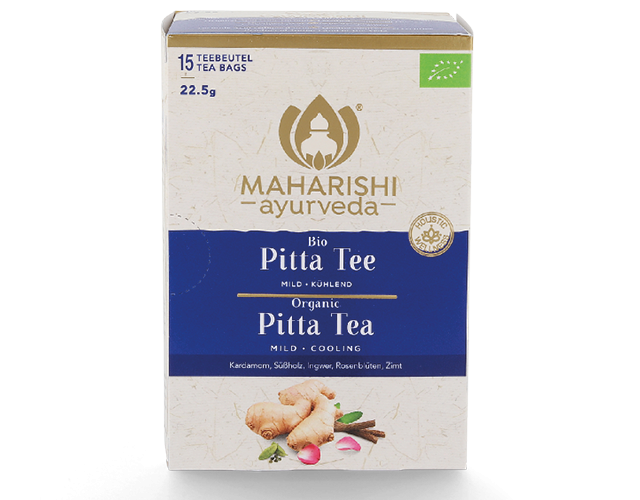
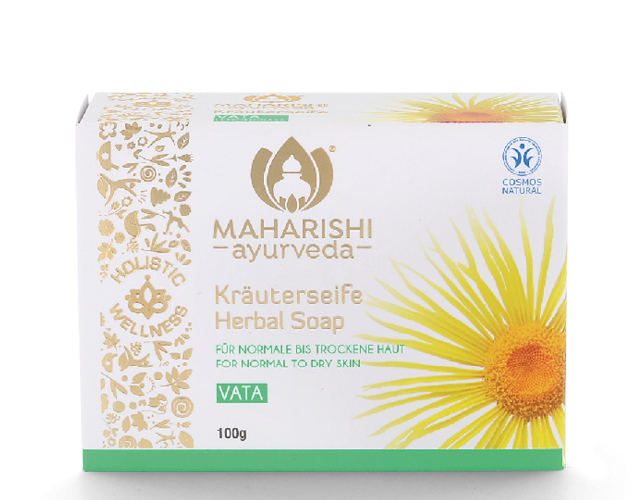
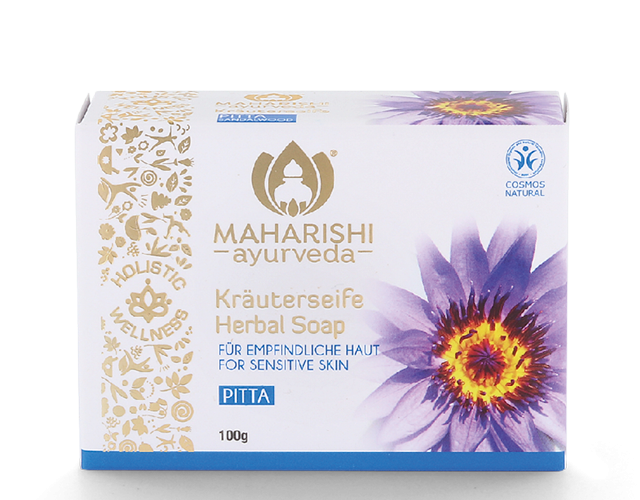
At Himalaya.bg, you can discover carefully selected Ayurvedic herbal products designed to complement a balanced lifestyle and support your individual dosha. Choosing products that match both your constitution and your current state of balance can help you get the most from the Ayurvedic approach to wellness.















Post comment