


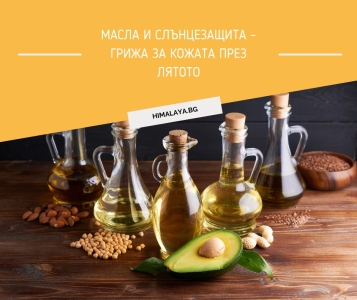
Plant Oils and Sun Protection – How to Care for Your Skin in Summer
With the arrival of summer, sunshine, higher temperatures and more time spent outdoors create different challenges for the skin. Along with hydration and nourishment, it is important to think about appropriate protection from UV radiation. Plant oils have long been used in skincare. Coconut, almond, sesame, jojoba and avocado oils all have their own properties and can be a valuable addition to a summer skincare routine. However, it is important to distinguish between the nourishing properties of plant oils and sun protection with a specified SPF. Natural oils should not be used as a substitute for a sunscreen product with a tested and clearly stated sun protection factor.
- Coconut Oil: Coconut oil is one of the best-known ingredients used in natural cosmetics. It is included in many skincare products for its emollient and nourishing properties. During summer, coconut oil can be part of your skincare routine, especially when the skin needs additional nourishment. However, coconut oil on its own does not provide reliable sun protection with a specified SPF.
- Almond Oil: Almond oil is another popular cosmetic ingredient. Its rich texture makes it suitable for nourishing care and it is often included in formulas designed for dry skin in need of softness and comfort. Although some studies have reported a certain degree of natural UV absorption in plant oils, their effect is not sufficiently predictable or consistent for them to be used instead of a tested sunscreen product.
- Raspberry Seed Oil: Raspberry seed oil has attracted particular interest in natural skincare due to its composition and vitamin E content. It is used in various cosmetic products for nourishing and conditioning the skin.
You may often come across claims online that raspberry seed oil has an exceptionally high natural SPF. However, these figures should be interpreted with caution and should not be considered equivalent to the SPF stated on a tested sunscreen product.
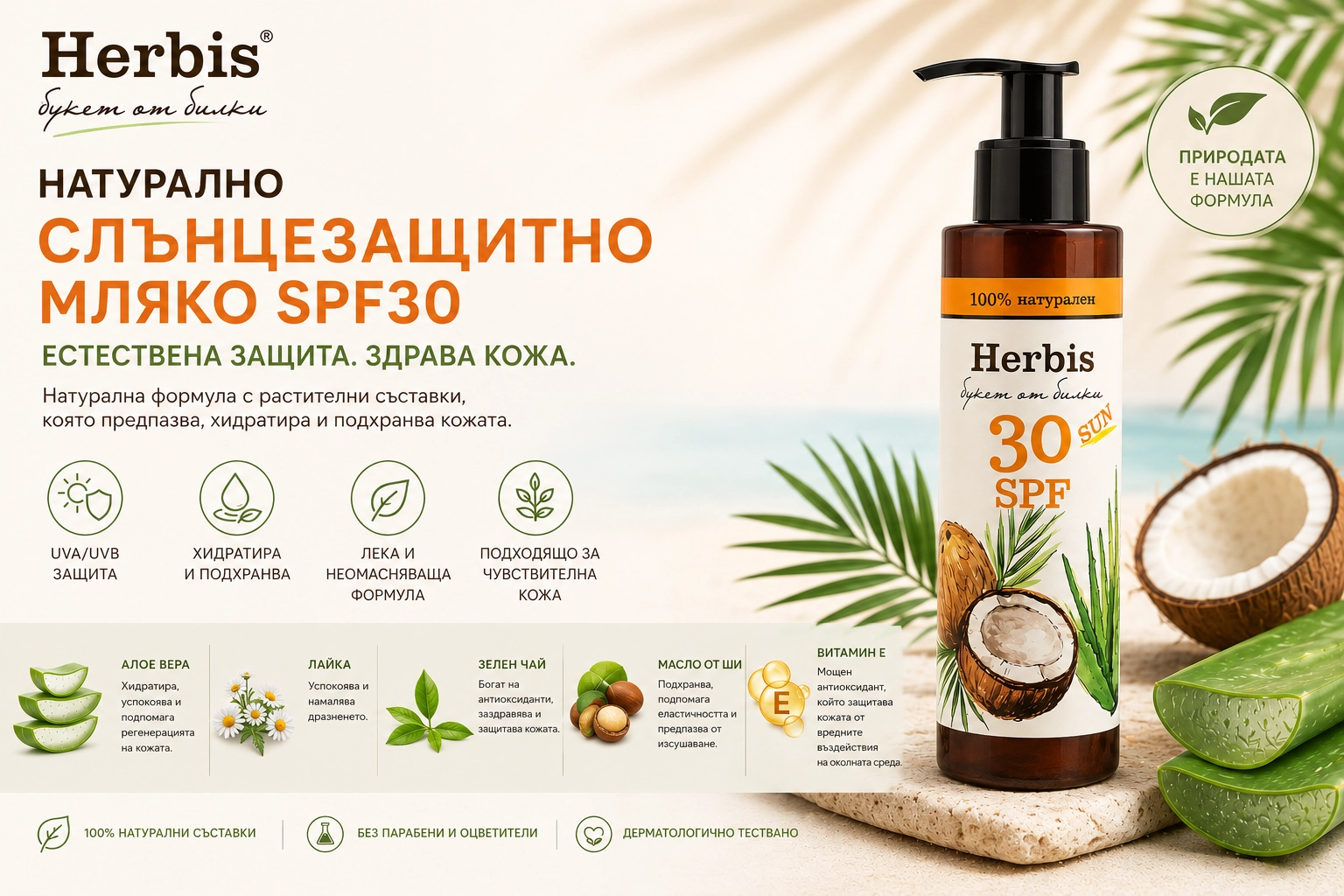
Do Plant Oils Have a Natural SPF?
Some plant oils have been shown to absorb part of UV radiation. A particularly widespread claim is that raspberry seed oil has a natural SPF of 28–50, which is why it is often described as one of the plant oils with the highest natural sun-protective potential. However, more recent studies do not confirm such a high SPF. Results vary considerably depending on the testing method, and modern laboratory tests have found that pure raspberry seed oil provides very low UV protection. Therefore, while plant oils can be a valuable part of skincare, they should not be considered a substitute for a tested sunscreen product with a specified SPF.
Other Plant Oils in Summer Skincare
Jojoba, sesame, avocado and macadamia oils, as well as olive oil and shea butter, are also widely used in cosmetics. They can complement a summer skincare routine thanks to their nourishing, emollient and conditioning properties. However, when the goal is protection from UVA and UVB radiation, it is important to use a product with a clearly specified sun protection factor.
Licorice in Skincare
The root of Glycyrrhiza glabra (Licorice) is another botanical ingredient widely used in cosmetics. Licorice is of particular interest in skincare because of its association with processes involved in skin pigmentation, which is why it can be found in various formulas designed to support an even-looking complexion. However, the presence of licorice or other botanical ingredients does not make a cosmetic product a substitute for sunscreen unless the product has been specifically formulated and tested to provide sun protection.
Plant Oils or Sunscreen – Which Should You Choose?
In fact, there is no need to choose between the two. Plant oils can be part of nourishing and moisturising skincare, while products with a specified SPF have a different purpose – protecting the skin during sun exposure. A good summer skincare routine can therefore combine appropriate nourishing care with the regular use of a sunscreen product.
Sun Protection for Face and Body
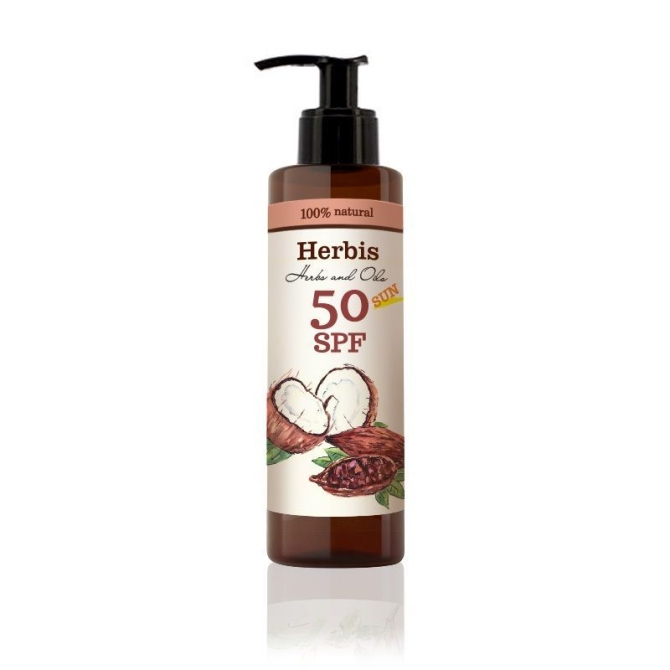
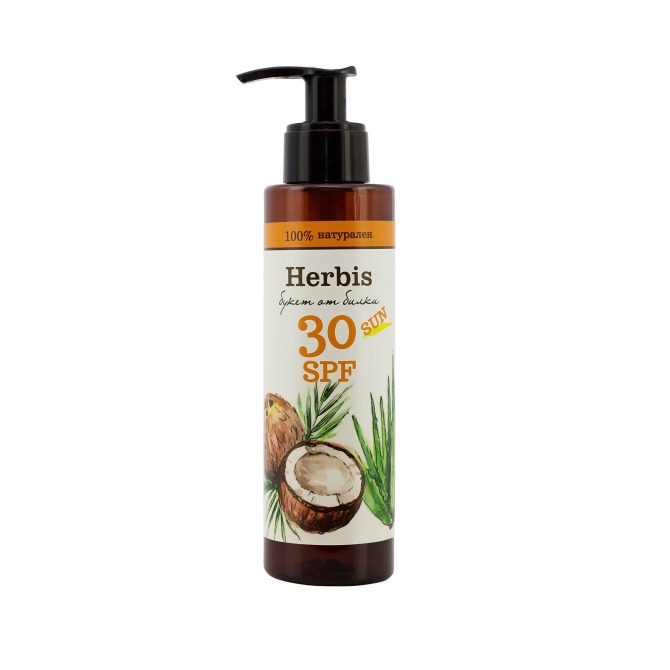
When choosing sun protection, pay attention to the stated SPF, the intended use of the product and the directions for application. At Himalaya.bg, you can find different sun care options for the face and body, as well as products designed to protect the lips. This allows you to choose a suitable product according to your skin's needs and the way you spend your time outdoors. Explore our Sun Protection products →









Post comment