







Healthy Bones and Joints – Nutrition, Exercise and Everyday Care
Bone and joint health depends on many factors, including nutrition, physical activity, age and individual characteristics. Taking care of our bones does not begin later in life – it starts in childhood and early adulthood, when the foundations of bone mass are being built.
A number of nutrients are important for maintaining normal bones, including calcium, vitamin D, magnesium, phosphorus and protein. Regular physical activity is equally important.
“The musculoskeletal system constantly requires a number of nutrients that should be obtained from our daily diet – calcium, magnesium, phosphorus, protein, vitamin D, vitamin A and others.”
Dr Ivan Nikolov
Specialist in Nutrition and Dietetics
Bone Density Starts Building Early in Life
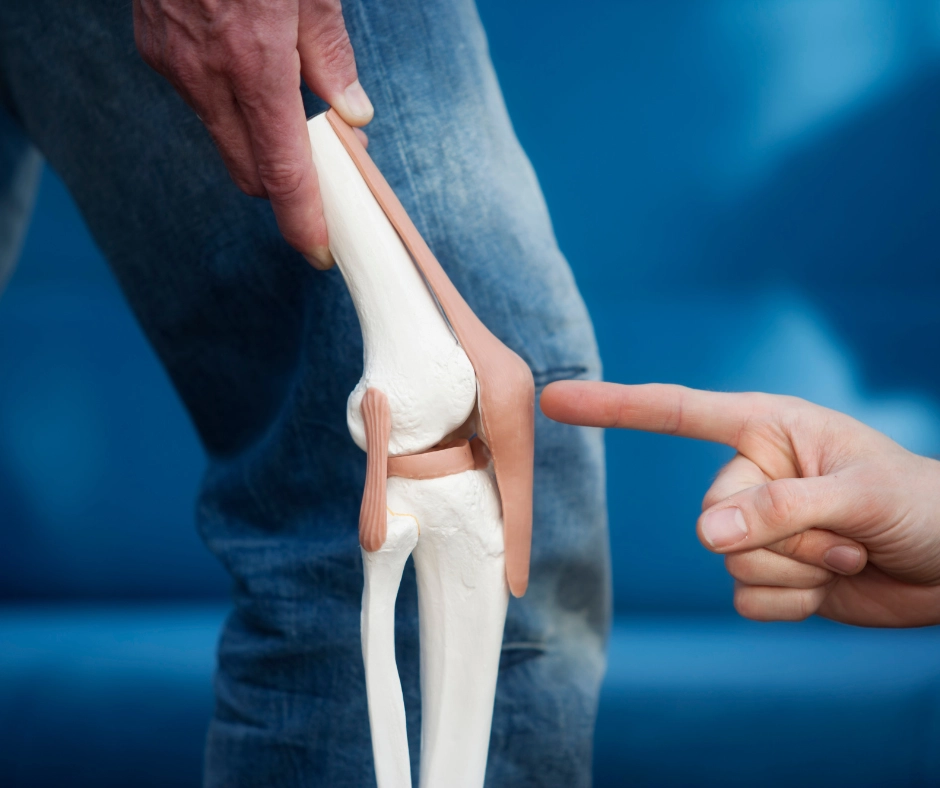
Bones are living tissue that continuously renews itself. During childhood, adolescence and early adulthood, bone mass gradually increases, with peak bone mass generally being reached around the age of 25–30.
Natural age-related changes begin afterwards. Good nutrition and an active lifestyle during the younger years therefore provide an important foundation for maintaining bone health later in life.
A significant reduction in bone density can lead to osteoporosis – a condition in which bones become more fragile and the risk of fractures increases. Bone mineral density can be measured using a specialised test known as a DXA or DEXA scan.
Exercise Matters for Healthy Bones and Joints
Regular physical activity plays an important role in maintaining the musculoskeletal system. Weight-bearing activities are particularly beneficial, including walking, climbing stairs, dancing, bodyweight exercises and resistance training.
Movement also supports muscle strength, coordination and balance, which are important for mobility and stability.
Exercise does not need to be exhausting. What matters most is making regular movement part of everyday life.
What Should We Eat for Healthy Bones?
A varied and balanced diet is the main way to provide the body with the nutrients it needs.
Calcium
Calcium is needed for the maintenance of normal bones and teeth. Dietary sources include milk and dairy products, certain leafy green vegetables, legumes, nuts and seeds. When additional calcium intake is needed, Calcio Care by Maharishi Ayurveda can complement the daily diet.
Vitamin D
Vitamin D contributes to the normal absorption of calcium and phosphorus and to the maintenance of normal bones. Dietary sources include oily fish, egg yolks and foods fortified with vitamin D.
Protein
Protein is an important part of a balanced diet and plays a role in both bone health and the maintenance of muscle mass. Good sources include fish, eggs, dairy products, meat, legumes, nuts and seeds.
Magnesium and other minerals
Whole grains, nuts, seeds, vegetables and legumes provide magnesium and a range of other valuable nutrients.
Lifelong Care for Bones and Joints
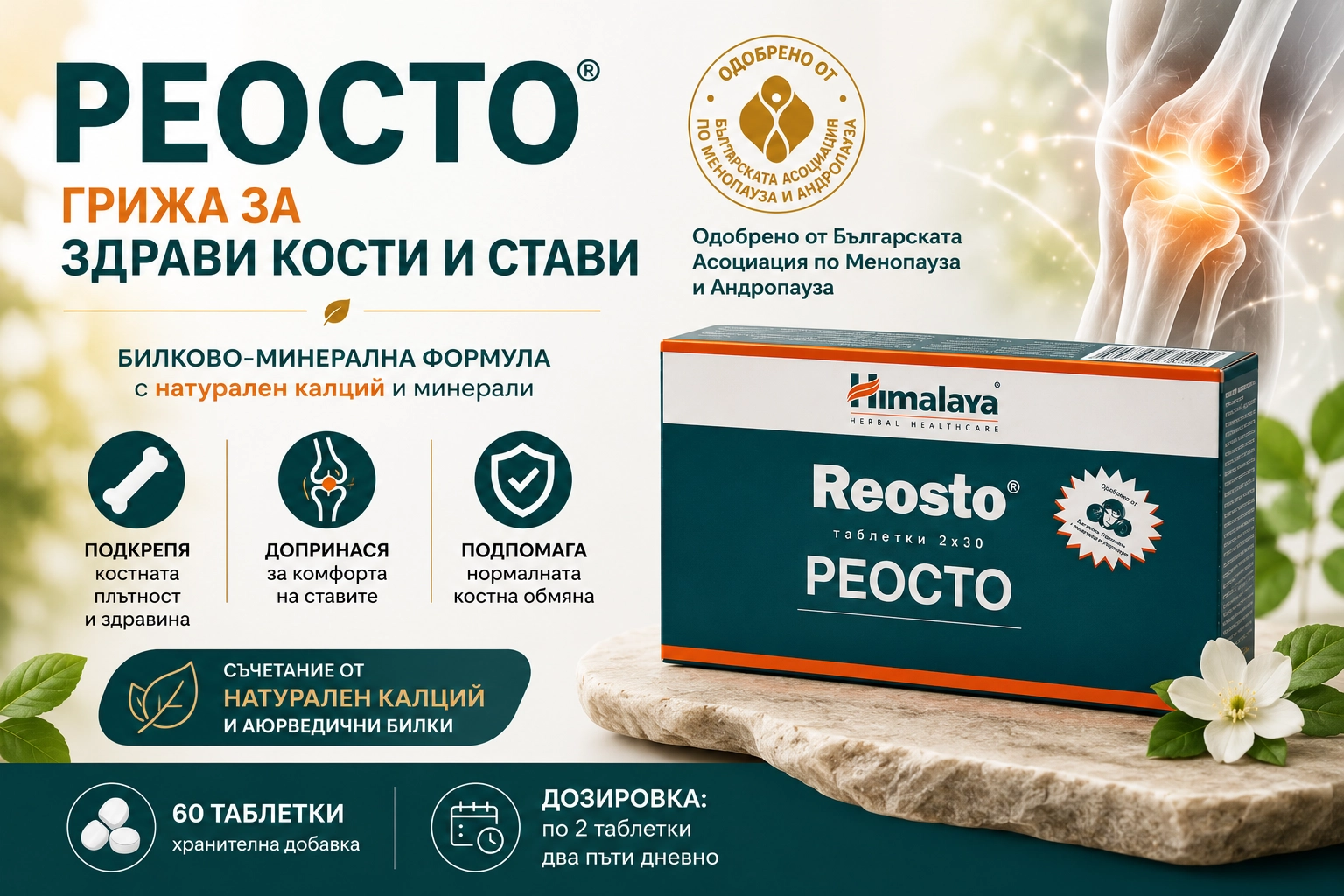
There is no single food or supplement that can guarantee healthy bones and joints. The best strategy combines a varied diet, regular physical activity and an adequate intake of nutrients important for bone health. When dietary intake is insufficient or nutritional requirements are increased, food supplements can complement the daily routine. Among Himalaya's products for the musculoskeletal system is Reosto – a herbal-mineral formula designed to support the maintenance of normal bones. If you suspect reduced bone density, osteoporosis or experience persistent joint problems, consult a healthcare professional.











Post comment