






Instructions
Take a sheet of paper. Read each question and choose the answer A, B, or C that best describes you for most of your life (not only how you feel at the moment). Write down the letter of your chosen answer.
Points
A = Vata
B = Pitta
C = Kapha
After completing the test, count how many A, B, and C answers you have.
Keep in mind that most people are a combination of two doshas, while the presence of all three in equal balance is less common. If the answers for two doshas are dominant or very close, you most likely have a dual-dosha constitution.
Questions
1. Your body build is:A) Thin, delicate |
2. Weight gain:A) I gain weight with difficulty |
3. Your skin is:A) Dry and thin |
4. Your hair is:A) Dry or thin |
5. Your appetite is:A) Irregular |
6. Your digestion is:A) Unpredictable |
7. Body temperature:A) I often feel cold |
8. Your energy level:A) Comes in waves |
9. Your sleep:A) Light and easily disturbed |
10. Your speaking pace:A) Fast |
11. Your thinking pace:A) Fast but easily distracted |
12. Memory:A) I learn quickly but forget quickly |
13. Reaction to stress:A) Anxiety |
14. Emotional state:A) Changeable |
15. Movements:A) Quick and light |
16. Work style:A) Creative but sometimes chaotic |
17. Social behavior:A) Very sociable |
18. Decision making:A) Impulsive |
19. Endurance:A) Lower |
20. Attitude toward change:A) I enjoy change |
21. Learning style:A) Through inspiration |
22. Financial habits:A) I spend impulsively |
23. Preferred exercise:A) Short and varied activities |
24. Personality type:A) Creative |
25. When stressed at work:A) I become anxious |
26. Your general mood:A) Changeable |
27. Work pace:A) Fast but inconsistent |
28. Attitude toward routine:A) I get bored easily |
29. Type of motivation:A) Inspiration |
30. Your overall temperament:A) Enthusiastic |
Calculating Your Result
Count how many:
A = Vata
B = Pitta
C = Kapha
Result
Most A → Vata
Most B → Pitta
Most C → Kapha
If two letters are nearly equal → mixed type (e.g., Vata-Pitta).
Detailed Description of the Doshas
Vata Dosha
Vata is the energy of movement and is associated with the elements air and space. It governs all motion in the body, including breathing, circulation, nerve impulses, and the movement of thoughts. People with a dominant Vata constitution are often creative, quick-thinking, and curious. They are easily inspired, have vivid imagination, and frequently generate new ideas.
Physically, Vata types tend to have a lighter body frame, drier skin, and a sensitivity to cold. Their energy may fluctuate, and their sleep is often lighter. When Vata is in balance, a person feels inspired, flexible, and lively. When out of balance, it may manifest as anxiety, insomnia, nervousness, distractibility, and a sense of instability.
Pitta Dosha
Pitta represents the energy of transformation and is primarily associated with the element fire (with a small amount of water). It governs metabolism, digestion, body temperature, and intellectual clarity. People with dominant Pitta are often determined, ambitious, and goal-oriented. They think logically, analyze situations effectively, and frequently take on leadership roles.
Physically, Pitta types usually have a medium build and strong appetite. They tend to feel warmer than others and often prefer cooler environments. When Pitta is balanced, a person demonstrates clarity of mind, confidence, and productivity. When imbalanced, it may lead to irritability, anger, impatience, excessive criticism, and burnout.

Kapha Dosha
Kapha is the energy of structure, stability, and nourishment and is associated with the elements earth and water. It is responsible for building body tissues, strength, endurance, and emotional stability. People with a dominant Kapha constitution are generally calm, patient, and reliable. They create a sense of security and support in relationships.
Physically, Kapha types often have a strong body structure, smooth skin, and good physical endurance. Their energy is steady but sometimes slower. When Kapha is balanced, a person feels calm, stable, and emotionally grounded. When out of balance, it may manifest as lethargy, lack of motivation, emotional heaviness, and a tendency to gain weight.

Table of Dosha Imbalance Symptoms
| System / Symptom | Vata Imbalance | Pitta Imbalance | Kapha Imbalance |
|---|---|---|---|
| Mind | anxiety, fear, nervousness, distraction | irritability, anger, impatience | apathy, lethargy, lack of motivation |
| Energy | unstable, fluctuating | very strong but may lead to burnout | low, heavy feeling |
| Sleep | insomnia, frequent waking | waking during the night, vivid dreams | excessive sleep, difficulty waking |
| Skin | dry, flaky | red, sensitive, inflamed | oily, pale |
| Digestion | bloating, gas, constipation | acidity, inflammation, diarrhea | heaviness after eating, slow digestion |
| Appetite | irregular | very strong | weak or slow |
| Body temperature | cold hands and feet | feeling of heat | cold and damp skin |
| Weight | difficult to gain | moderate | easy weight gain |
| Joints | cracking, dryness | inflammation | stiffness |
| Emotional reactions | fear, insecurity | anger, criticism | attachment, inertia |
| Concentration | distraction | excessive focus | slowness |
| Physical sensation | lightness, instability | heat | heaviness |
How Imbalance Manifests More Deeply
Vata Imbalance
When Vata becomes excessive, too much movement and instability arise in the body and mind. This may lead to anxiety, nervousness, insomnia, and a sense of chaos. Physically, symptoms often include dryness, coldness, bloating, gas, and constipation. People may feel exhausted yet find it difficult to relax.
Vata imbalance is often triggered by stress, lack of routine, insufficient sleep, excessive travel, or irregular meals.
Pitta Imbalance
When Pitta increases excessively, the fire energy becomes too strong. This can manifest as irritability, anger, criticism, and impatience. Physically, it may cause inflammation, acid reflux, skin rashes, acne, and strong thirst.
This imbalance is often associated with overwork, intense stress, very spicy foods, alcohol, or excessive heat.
Kapha Imbalance
When Kapha increases, there is too much heaviness and stagnation. A person may feel tired, unmotivated, and emotionally stuck. Physically, this may appear as water retention, weight gain, slow digestion, and a tendency toward mucus and colds.
Kapha imbalance is often related to lack of movement, heavy foods, excessive sweets, and too much sleep.
💡 Important in Ayurvedic consultations
Ayurveda distinguishes between:
Prakriti – your natural constitutional type (dominant dosha)
Vikriti – the current imbalance in the body
For example, many people may have a Pitta constitution but currently experience a Vata imbalance.
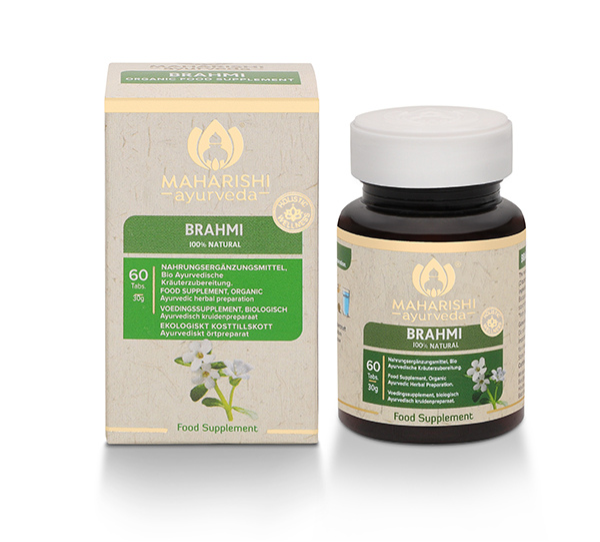
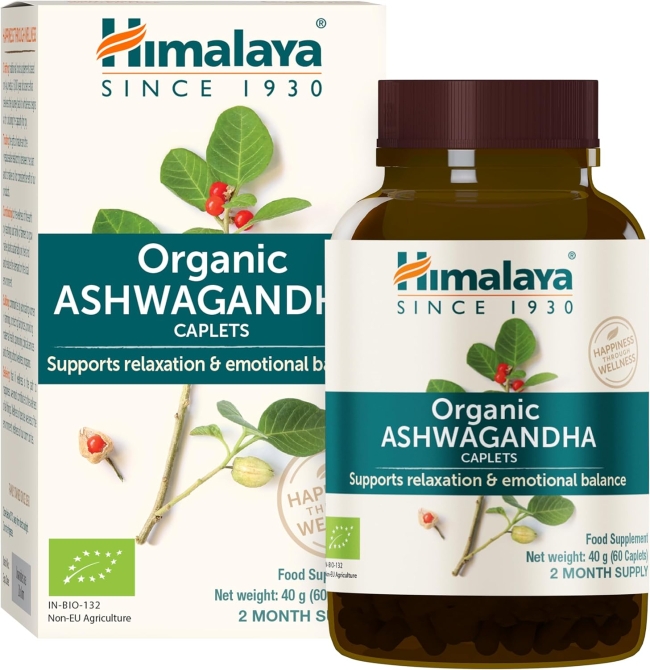
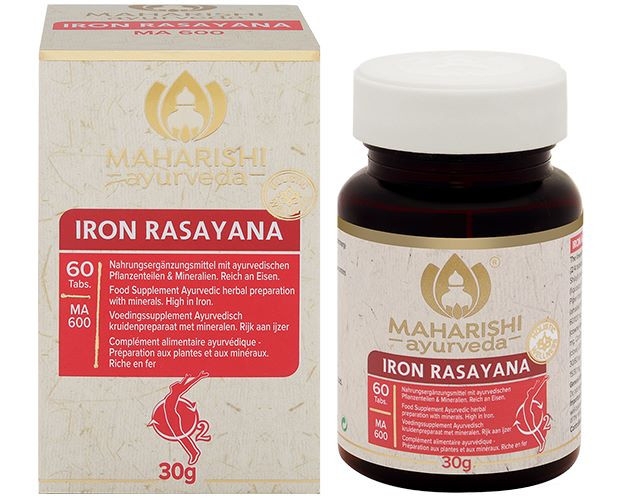
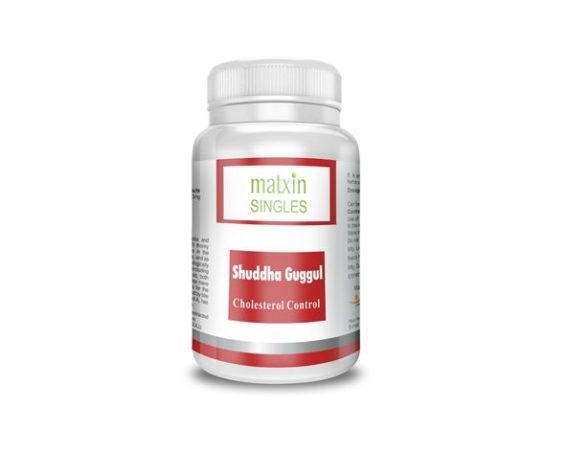
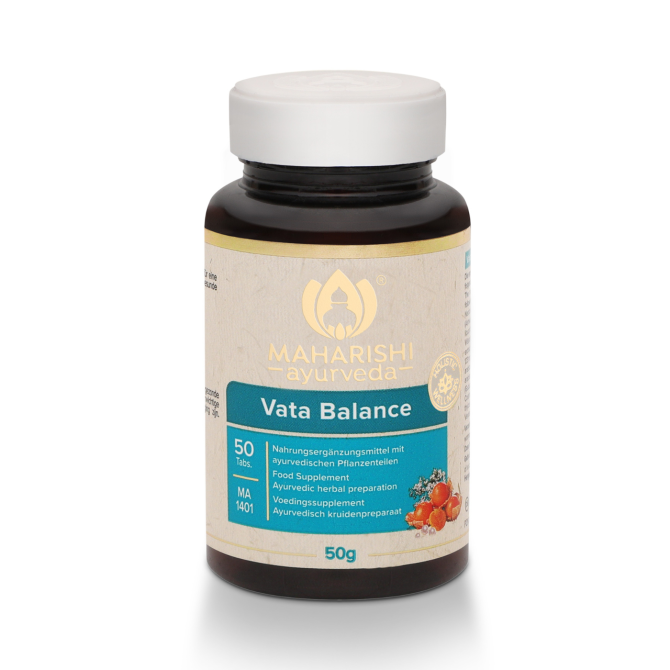
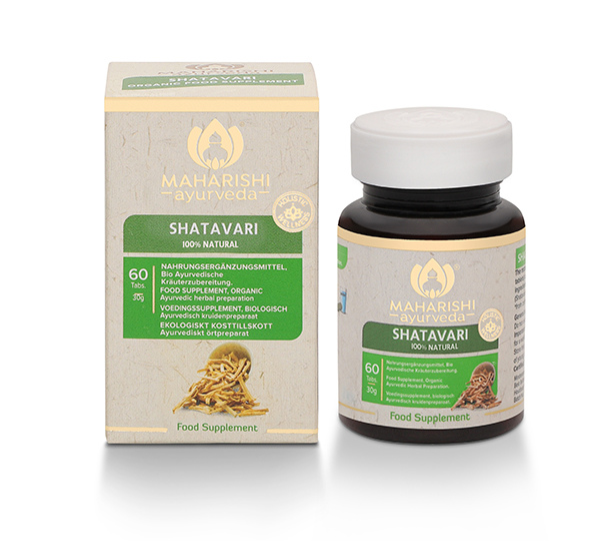
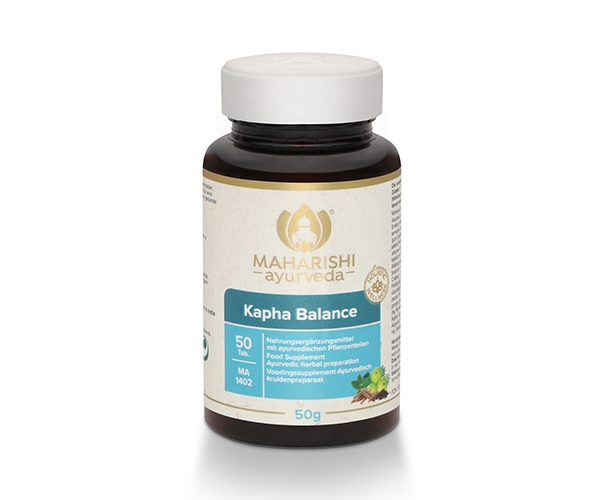
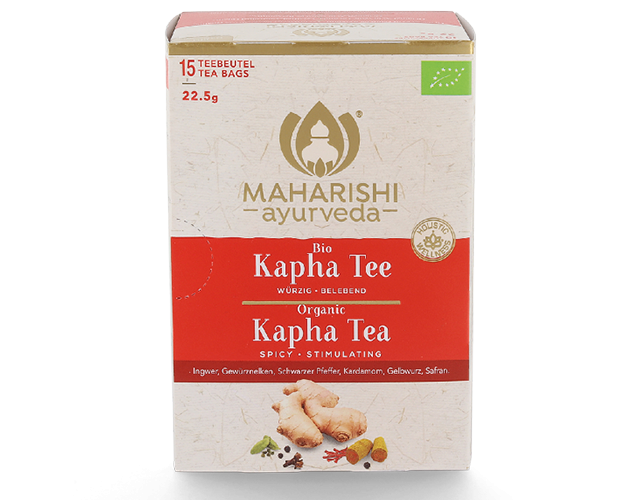
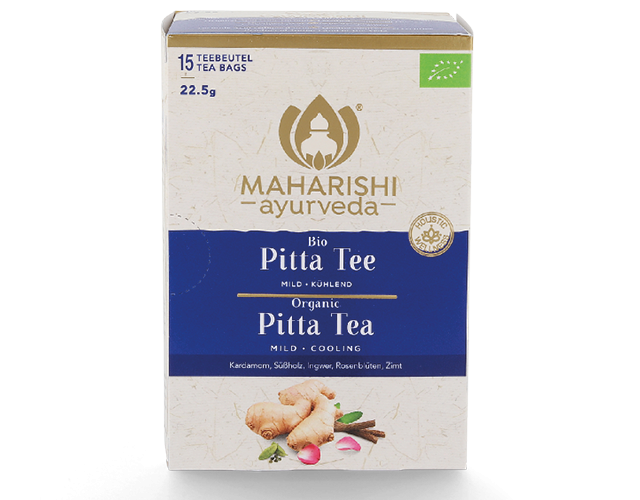
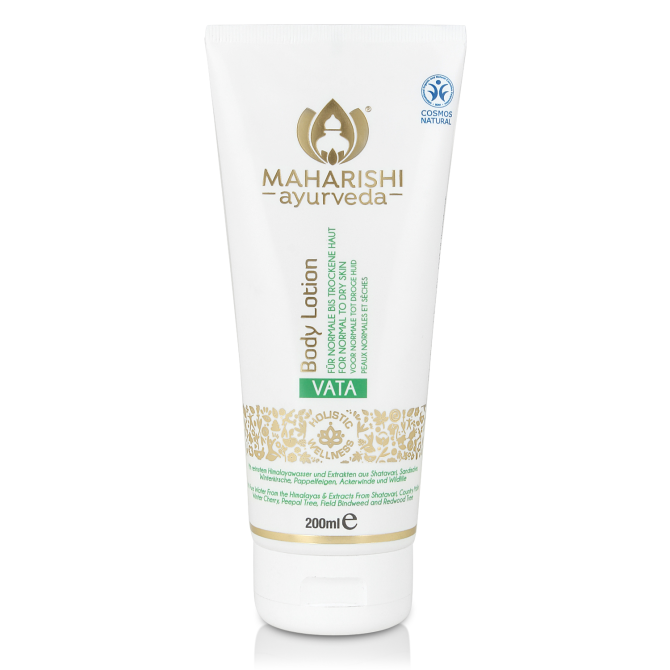
At our store you can find the following products specifically designed for Vata, Pitta, and Kapha doshas from the manufacturer Maharishi Ayurveda:
Ако искаш, мога също да ти направя още по-добра версия за сайт (SEO + по-естествен маркетингов английски), защото този тип текст често се оптимизира за ключови думи като Ayurvedic dosha test, Vata Pitta Kapha test, Ayurvedic body type.















Post comment