







Ayurvedic Recipes for High Blood Pressure According to Dr. Vasant Lad
In Ayurveda, high blood pressure is viewed as a sign of imbalance in the body that requires a comprehensive approach, including an appropriate diet, stress management, sufficient rest, and individually selected herbs.
In his book Ayurveda: The Science of Self-Healing, Dr. Vasant Lad shares several traditional recipes that, according to Ayurvedic practice, may help support balance in the body.
- Mango, Warm Milk, and Aromatic Spices: Start with one glass of mango juice. About one hour later, drink half a cup of warm milk with a pinch of cardamom, a pinch of nutmeg, and one teaspoon of ghee. If you have high cholesterol, omit the ghee.
- Orange Juice and Coconut Water: Mix freshly squeezed orange juice and coconut water in a ratio of 2:1. According to Ayurvedic tradition, half a cup of this drink may be consumed two to three times a day.
- Peach Juice with Cardamom and Coriander: Add a pinch of cardamom and one teaspoon of coriander to a glass of freshly squeezed peach juice. Traditionally, this drink is recommended two to three times a day.
- Honey and Apple Cider Vinegar: Dissolve one tablespoon of honey and 5–10 drops of apple cider vinegar in a glass of warm water. Traditionally, this drink is taken early in the morning on an empty stomach.
Source: Ayurveda: The Science of Self-Healing by Dr. Vasant Lad.
What Does Modern Medicine Recommend?
Arterial hypertension is a chronic condition that requires regular medical monitoring. Ayurvedic recipes may be included as part of a healthy lifestyle, but they should not replace prescribed medication or medical advice.
Alongside treatment, healthcare professionals generally recommend:
- monitoring blood pressure regularly;
- reducing salt intake;
- following a diet rich in vegetables, fruit, and whole grains;
- maintaining a healthy body weight;
- engaging in regular physical activity;
- getting sufficient sleep and managing stress;
- avoiding smoking and limiting alcohol consumption;
- taking prescribed medication exactly as directed by a doctor.
Can Ayurveda Be Part of a Comprehensive Approach?
Ayurveda may complement a balanced lifestyle by encouraging mindful eating, appropriate daily routines, stress reduction, and greater awareness of the body’s individual needs.
However, high blood pressure should always be monitored by a healthcare professional. Do not stop or change prescribed treatment without consulting your doctor.
Before using herbs or dietary supplements, especially if you are already taking medication for blood pressure, heart conditions, blood clotting, or kidney problems, seek advice from a doctor or pharmacist.
Ayurvedic Support
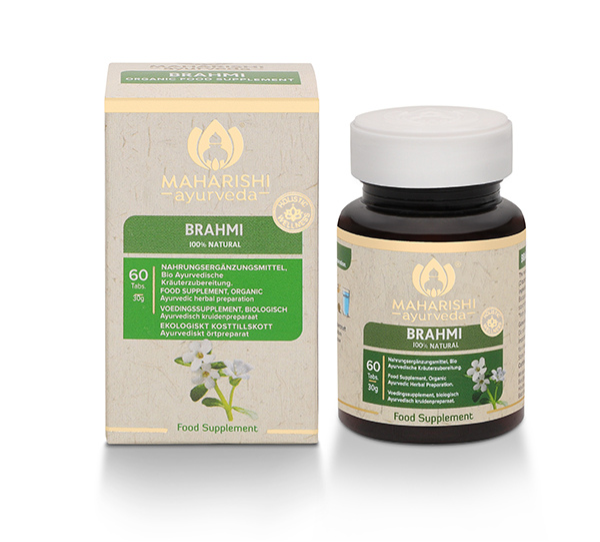
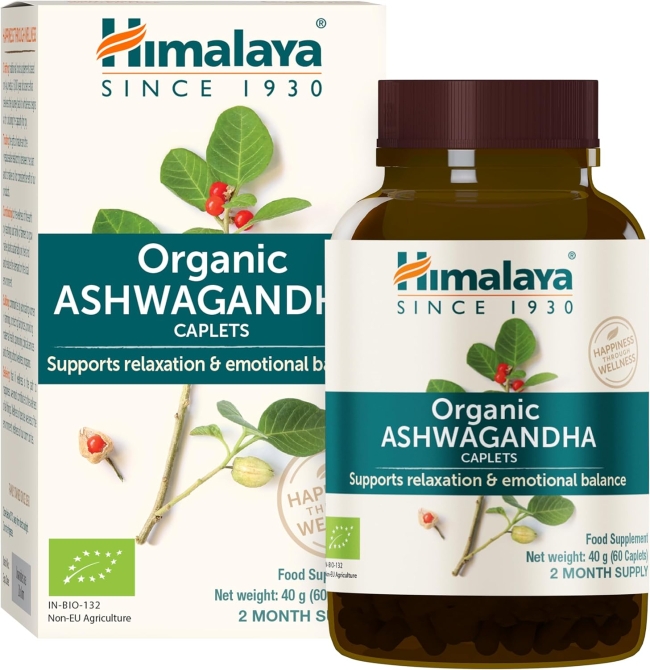
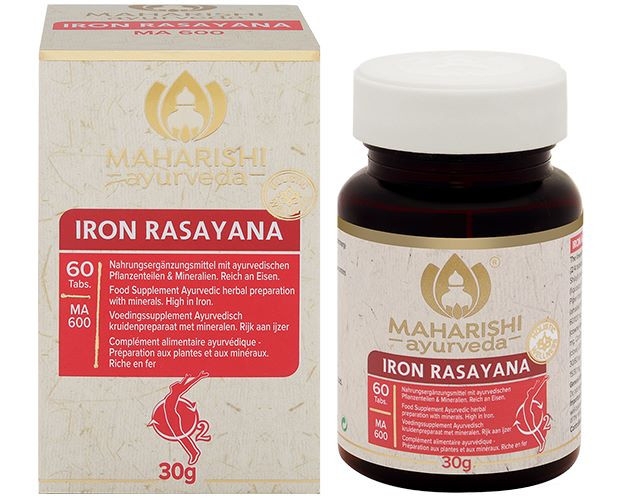
As part of a healthy lifestyle and after consultation with a qualified specialist, Ayurvedic products may also be considered according to individual needs.
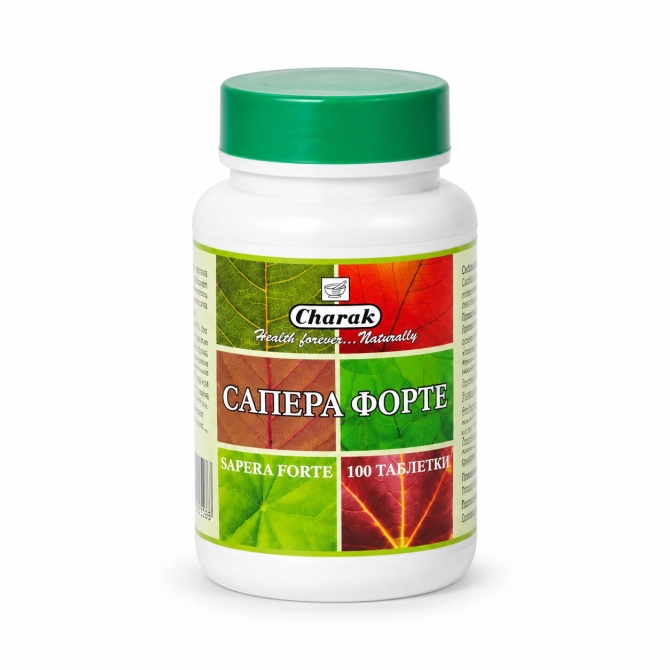
You may also explore: Sapera Forte.








Post comment