









Stress is an unavoidable part of modern life. A busy lifestyle, the constant flow of information, work responsibilities, and too little time to rest can gradually place a burden on both the mind and the body.
Short-term stress is not always harmful. In fact, it is a natural response that helps the body react to challenging situations. The problem arises when stress becomes a constant part of everyday life and the body no longer has the opportunity to recover.
Prolonged stress can affect sleep quality, concentration, energy levels, mood, and overall well-being. That is why more and more people are looking for natural ways to restore their inner balance.
How Does Ayurveda View Stress?
According to Ayurveda, mental stress is associated with an imbalance between the body and the mind. Long-term stress may aggravate Vata dosha, which governs the nervous system, movement, and mental activity.
When Vata becomes imbalanced, you may experience:
- a restless mind;
- feelings of anxiety;
- irritability;
- difficulty sleeping;
- fatigue;
- reduced concentration.
For this reason, the Ayurvedic approach does not focus solely on reducing the feeling of stress. Instead, it aims to restore overall balance through proper nutrition, regular physical activity, healthy daily routines, and appropriate herbs.
What Can We Do to Cope with Everyday Stress?
Make Time to Rest
Even 15–20 minutes each day without your phone, computer, or other distractions can help your body shift from a constant state of tension into recovery mode.
Practice Yoga
Yoga combines movement, breathing, and mindfulness. A regular practice helps release muscle tension and promotes a greater sense of calm and relaxation.
Meditate
Just a few minutes of meditation each day can help you observe your thoughts more calmly instead of reacting automatically to every stressful situation.
Support Your Body with Adaptogenic Herbs
In Ayurveda, a number of plants have traditionally been used to help the body adapt to both physical and mental stress.
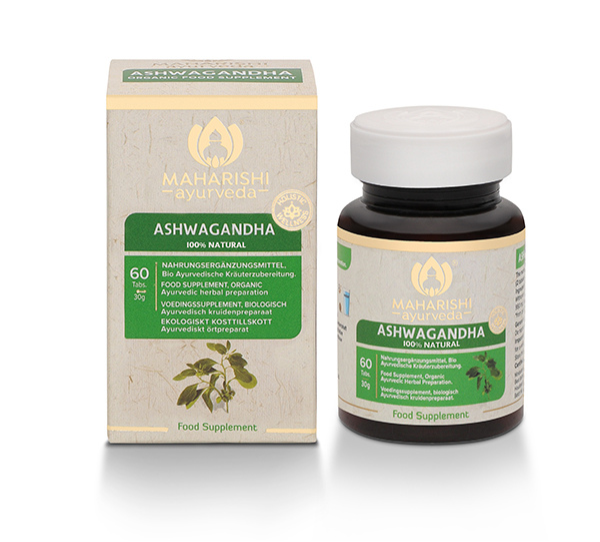
Ashwagandha – One of the Best-Known Herbs for Stress Support
Withania somnifera (Ashwagandha) is one of the most widely recognized herbs in Ayurveda. Traditionally, it has been used to support the body's adaptation to stress, promote emotional balance, and maintain vitality.
In Ayurveda, Ashwagandha is classified as a Rasayana—a rejuvenating herb believed to support the body's natural restorative processes.
Today, it is one of the most extensively researched adaptogenic plants and is commonly used by people with demanding lifestyles, mental fatigue, or those looking to support healthy sleep.

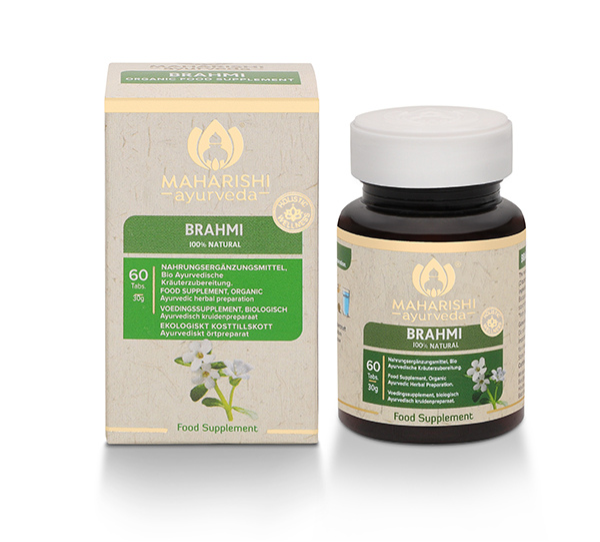
Brahmi – Supporting Memory and Concentration
Bacopa monnieri (Brahmi) is another classic Ayurvedic herb that has been used for centuries to support cognitive function.
Traditionally, Brahmi is associated with supporting:
- concentration;
- memory;
- learning ability;
- mental calmness;
- cognitive endurance.
Because of these qualities, Brahmi is often chosen by people who experience intensive mental workloads or require sustained focus throughout the day.
Conclusion
While we cannot eliminate stress completely from our lives, we can change the way our bodies respond to it.
Regular physical activity, adequate sleep, a balanced diet, mindfulness practices, and traditional Ayurvedic herbs can all become valuable parts of a daily routine that supports both mental and physical well-being.
When stress begins to affect your quality of life, there is no need to wait until the body sends stronger warning signals. Small, consistent changes made in time can often make the greatest difference.













Post comment