







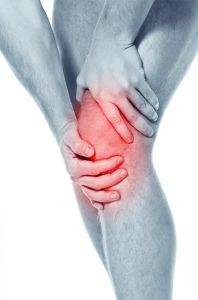
Arthritis is a group of inflammatory conditions that affect the joints, cartilage, tendons, and ligaments. It can develop in almost any part of the body. In the early stages, it usually begins with mild pain and discomfort, which may gradually progress into stiffness, reduced mobility, and in more severe cases, significant joint damage.
The most common types of arthritis include osteoarthritis, rheumatoid arthritis, and ankylosing spondylitis.
🦴 What is Osteoarthritis?
Osteoarthritis, also known as arthrosis, is a degenerative joint disease. It is characterized by the gradual breakdown of joint cartilage and the formation of small bone spurs, most commonly in weight-bearing joints such as the knees, hips, and spine.
This condition primarily affects people over the age of 50 and develops slowly over time. Typical symptoms include joint pain during movement, stiffness, reduced flexibility, and a feeling of “wear and tear” in the joints.
🩺 What is Rheumatoid Arthritis?
Rheumatoid arthritis is an autoimmune condition that affects the synovial membrane of the joints. As a result, inflammation, swelling, and progressive joint destruction occur, which may eventually lead to deformities.
This is a less common but more severe form of arthritis. Women are more frequently affected than men, and the condition is typically chronic and progressive.
⚠️ Common Symptoms of Arthritis
Symptoms vary depending on the type and severity of the condition, but most commonly include:
- joint pain (mild to severe)
- stiffness, especially in the morning or after rest
- swelling and redness of the joints
- reduced range of motion
- joint deformity in advanced stages
The severity of symptoms differs from person to person and may change over time.
🧘 How to Manage Arthritis Effectively
Managing arthritis requires a comprehensive approach that includes lifestyle changes. Maintaining a healthy body weight is essential, as it reduces pressure on the joints. Regular physical activity, tailored to medical advice, also plays an important role in maintaining mobility and reducing pain.
Nutrition is equally important, as a balanced diet can support joint health and reduce inflammation.
🥗 Diet for Arthritis
A proper diet for arthritis includes foods that help reduce inflammation in the body. Recommended foods include:
- fresh vegetables, fruits, and whole grains
- foods low in saturated fats and cholesterol
- moderate alcohol consumption
- essential vitamins and minerals, including calcium and vitamin D
A healthy diet may help reduce inflammation and improve overall joint function.
🏃♂️ Importance of Exercise in Arthritis
Physical activity is a key part of arthritis management. Proper exercises can reduce pain and stiffness, improve muscle strength, and support joint mobility. They also help control body weight, reduce fatigue, and improve sleep quality.
Regular movement supports bone and cartilage health and may slow the progression of the disease.
🌿 Ayurvedic Support for Joint Health
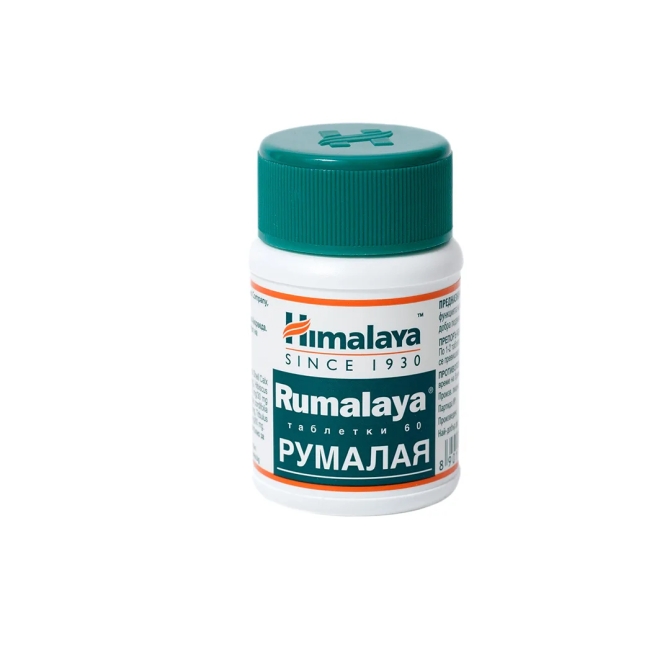
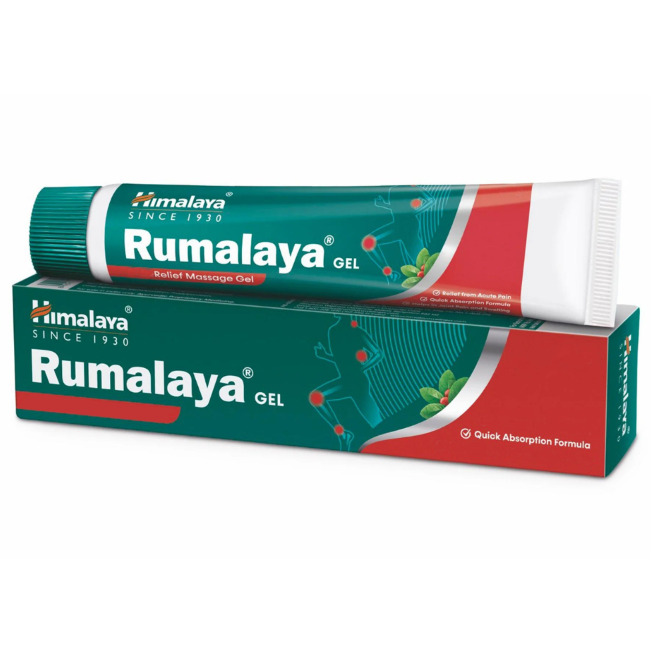
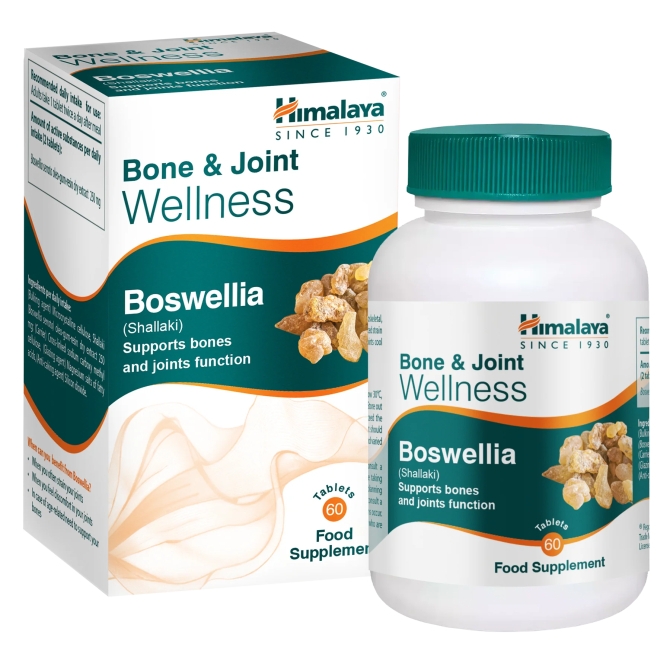
In Ayurveda, natural herbal formulations are traditionally used to support joint health. Products such as Rumalaya tablets and Rumalaya gel are commonly used to relieve pain and stiffness in both osteoarthritis and rheumatoid arthritis. They can be used individually or together as part of a holistic joint care routine.










Post comment