








Diarrhea According to Ayurveda – What Causes It and How to Support Healthy Digestion
Diarrhea is a condition characterized by frequent, loose, or watery bowel movements. It can have many causes, including viral or bacterial infections, food intolerances, certain medications, stress, or dietary changes.
According to Ayurveda, healthy digestion is the foundation of overall well-being. When the digestive fire (Agni) becomes weakened, food is not properly digested, which may lead to the formation of Ama (undigested metabolic waste) and disturbances of the gastrointestinal tract, including loose stools.
How Does Ayurveda Explain Diarrhea?
According to Ayurvedic philosophy, diarrhea is most commonly associated with an imbalance of Pitta dosha, which governs transformation and metabolism in the body.
When Pitta becomes aggravated or Agni weakens, digestion becomes less efficient and the body is unable to absorb nutrients properly.
For this reason, the traditional Ayurvedic approach focuses on:
- maintaining strong Agni (digestive fire);
- balancing aggravated Pitta;
- eating light, easy-to-digest foods;
- maintaining proper hydration.
Which Foods Should Be Avoided?
According to Ayurveda, when experiencing digestive upset it is advisable to temporarily avoid:
- spicy foods;
- highly acidic foods;
- fermented foods;
- fried and heavy meals;
- alcohol.
Instead, lighter and more easily digestible foods such as cooked rice, bananas, baked apples, and plenty of fluids are recommended.
Ayurvedic Home Remedies by Dr. Vasant Lad
In his book Ayurveda – The Science of Self-Healing, Dr. Vasant Lad shares several traditional recipes that may be used as part of home care during temporary digestive discomfort.
Fruit Purée for Digestive Comfort
Boil two apples or use ripe bananas.
Add:
- 1 teaspoon of ghee;
- a pinch of cardamom;
- a pinch of nutmeg.
Blend until smooth.
Fennel and Ginger Mixture
For temporary digestive discomfort, Dr. Lad recommends combining:
- ½ teaspoon fennel powder;
- ½ teaspoon ginger powder.
Traditionally, this mixture is taken 2–3 times daily.
Homemade Hydration Drink
When experiencing loose stools, maintaining proper hydration is essential.
Add the following to 500 ml of water:
- 1 teaspoon unrefined sugar;
- 1 teaspoon lemon juice;
- a pinch of salt.
Sip slowly throughout the day.
Which Ayurvedic Herbs Are Traditionally Used to Support Digestion?
Ayurveda makes use of numerous medicinal plants to support healthy digestion and maintain the balance of Agni, the digestive fire. The choice of herbs depends on an individual's constitution and the specific imbalance, but several herbs are especially valued for promoting gastrointestinal comfort.
Kutaja (Holarrhena antidysenterica)
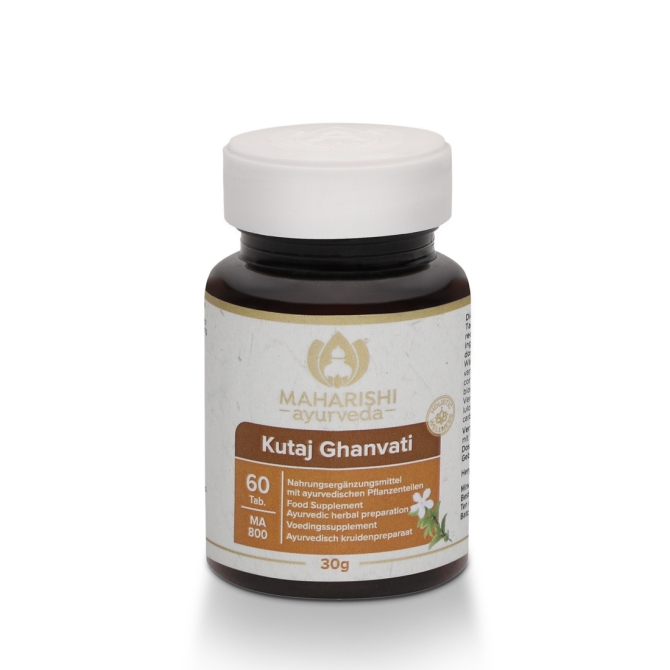
Kutaja is one of the best-known Ayurvedic herbs for supporting normal bowel function. Classical Ayurvedic texts describe its traditional use for frequent and loose bowel movements, and it is widely included in herbal formulations designed to promote digestive comfort.
Bael (Aegle marmelos)
Bael is a sacred tree in India whose fruits have been used in Ayurveda for thousands of years. The ripe fruit is traditionally valued for supporting normal bowel function and digestive comfort. Thanks to its natural content of tannins and other plant compounds, Bael is commonly included in Ayurvedic formulations intended to help maintain digestive balance.
Ginger (Zingiber officinale)
Ginger is one of the most valued herbs in Ayurveda. It is known as "Vishvabheshaja" or "the universal medicine" because it has traditionally been used to support Agni, stimulate digestion, and help reduce the feeling of heaviness after meals.
Triphala
Triphala is a classic Ayurvedic blend consisting of three fruits—Amla (Emblica officinalis), Bibhitaki (Terminalia bellirica), and Haritaki (Terminalia chebula). It has traditionally been used to support normal digestive function, maintain regular bowel movements, and promote the body's natural cleansing processes.

When Should You Seek Medical Advice?
These home remedies may be helpful as part of general care during mild, temporary digestive discomfort, but they should not replace professional medical care.
Consult a healthcare professional if:
- diarrhea lasts longer than 2–3 days;
- you develop a high fever;
- blood appears in the stool;
- signs of dehydration occur (excessive thirst, fatigue, dry mouth, or reduced urination);
- symptoms occur in young children, older adults, or people with chronic medical conditions.
The Ayurvedic Approach to Healthy Digestion
According to Ayurveda, strong Agni is the cornerstone of good health. A balanced diet, regular daily routines, moderate use of spices, and choosing foods according to one's individual constitution all help maintain the body's natural balance.
During temporary digestive discomfort, traditional Ayurvedic recommendations include eating light meals, drinking adequate fluids, and using herbs such as Kutaja, Bael, Ginger, and Triphala, all of which have been valued for centuries as part of Ayurvedic digestive care.










Post comment