






Hormonal rhinitis is a condition that most commonly occurs during pregnancy, with symptoms usually disappearing after childbirth. It is often considered a form of non-allergic rhinitis, but it is actually related to the body’s response to its own sex hormones.
Hormonal Changes and Nasal Secretion
Sex hormones regulate not only reproductive function but also the immune system, which can lead to inflammatory processes and increased nasal secretions. Even during a regular menstrual cycle, when estrogen levels peak, some women may experience heightened sensitivity to histamines, resulting in a runny nose.
Hormonal fluctuations are particularly pronounced during:
- Pregnancy
- Menstrual cycle
- Menopause
During these periods, the nose may react more sensitively, with symptoms ranging from mild irritation to significant nasal discharge.
How Can We Relieve Symptoms?
Since we cannot control hormone levels, the goal is to manage symptoms by focusing on comfort and maintaining a healthy lifestyle.
Natural approaches include:
- Staying hydrated and using saline sprays
- Inhaling warm steam
- Adjusting diet and physical activity
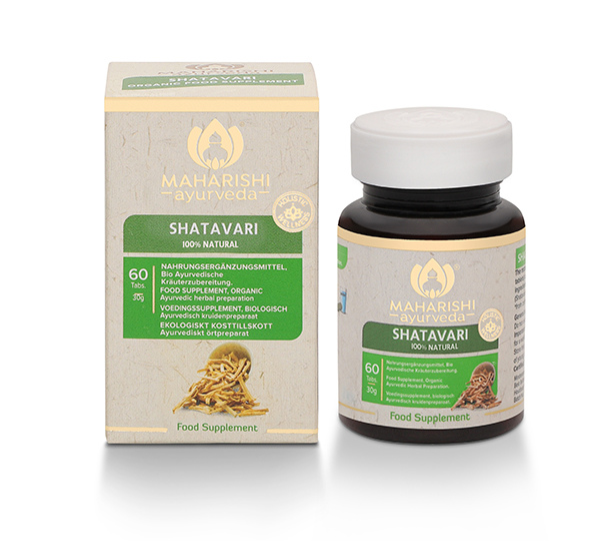
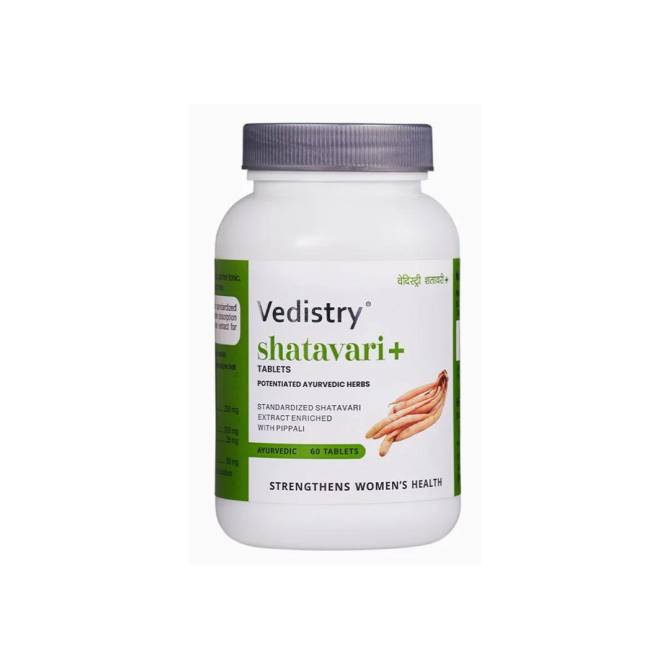
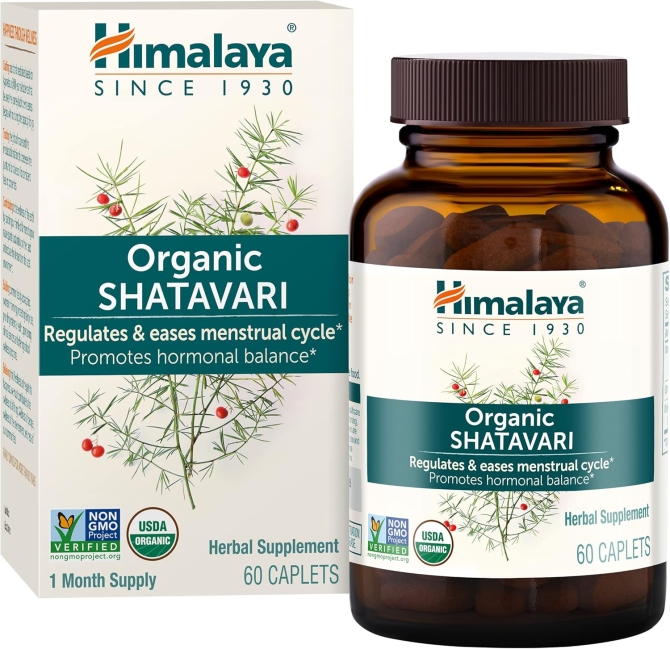
- Supporting the body with herbs, such as Shatavari (Asparagus racemosus)
Shatavari – Ayurvedic Support for Women’s Health
Shatavari, also known as Asparagus, is a traditional Ayurvedic herb that:
- Supports hormonal balance in women with fluctuating hormone levels
- Stimulates fertility and vitality
- Improves postpartum health and boosts milk production
The name Shatavari means “she who possesses a hundred husbands,” symbolizing the herb’s power to support women’s reproductive health.
Benefits for Immunity and Digestion
Shatavari helps to:
- Maintain normal lymphocyte levels and immune function
- Regulate hormonal secretion
- Support healthy digestion
Traditionally, the herb is consumed as tea, extract, or juice, and in some cultures it is applied topically in medicinal oils for its calming and cooling properties.
Conclusion
Hormonal rhinitis is a natural condition associated with hormonal changes in women. While we cannot fully control hormone levels, symptoms can be alleviated through:
- Appropriate home practices
- Natural steam inhalations
- Herbal support, particularly with Shatavari, which promotes hormonal balance, immunity, and postpartum recovery







Post comment