


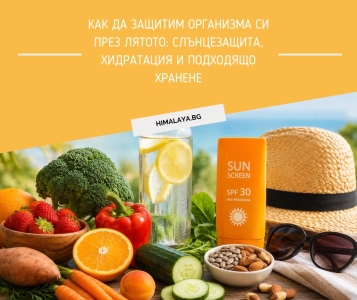
Sunlight is essential for life and contributes to the body’s natural production of vitamin D. However, excessive exposure to ultraviolet radiation can damage the skin and eyes and accelerate visible signs of photoageing.
During summer, it is therefore important to combine sensible sun protection with adequate hydration, a varied diet and physical activity at appropriate times of the day.
No food or dietary supplement can replace shade, protective clothing and a broad-spectrum sunscreen.
Essential sun protection measures
When the UV Index is high:
- limit prolonged exposure to direct sunlight, particularly around midday;
- seek shade whenever possible;
- wear lightweight clothing that covers the skin;
- use a wide-brimmed hat and sunglasses with UV protection;
- apply a broad-spectrum sunscreen to exposed areas;
- reapply sunscreen regularly, particularly after swimming, sweating or towel-drying.
Sunscreen should not be used as a way to extend the amount of time spent in direct sunlight.
Can nutrition support the skin during summer?
A varied diet provides vitamins, minerals, antioxidants and other nutrients that are necessary for the normal function of the skin.
Food does not create an independent shield against UV radiation, but balanced nutrition can form part of a broader summer wellness routine.
Foods containing beta-carotene
Beta-carotene is a plant pigment from the carotenoid family. The body can convert it into vitamin A, which contributes to the maintenance of normal skin.
Food sources include:
- carrots;
- sweet potatoes;
- pumpkin;
- red peppers;
- apricots;
- spinach and other dark green vegetables.
Carotenoid-rich foods can be a valuable part of a balanced diet, but they do not work like sunscreen and cannot prevent sunburn on their own.
Cucumbers and water-rich foods
Cucumbers have a high water content and are a refreshing addition to a summer diet. They also provide small amounts of vitamins and minerals.
Other water-rich options include:
- tomatoes;
- watermelon;
- melon;
- peaches;
- strawberries;
- leafy salads.
These foods can contribute to overall fluid intake, but they do not replace drinking water.
Foods containing vitamins C and E
Vitamins C and E contribute to the protection of cells from oxidative stress.
Sources of vitamin C include:
- peppers;
- citrus fruit;
- strawberries;
- kiwi fruit;
- broccoli.
Sources of vitamin E include:
- sunflower seeds;
- almonds and other nuts;
- vegetable oils;
- avocado.
A varied diet is generally preferable to taking unnecessarily high doses of individual supplements.
Selenium and lutein
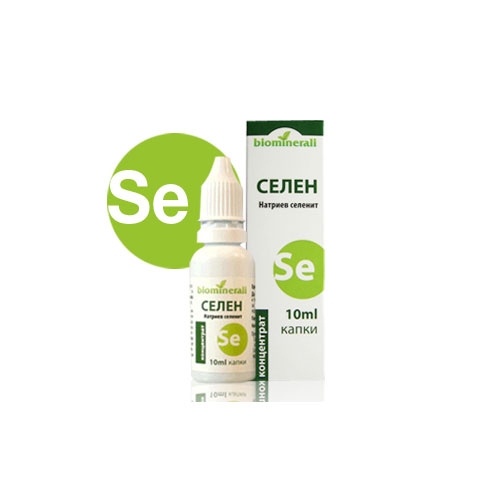
Selenium is a trace element that contributes to the protection of cells from oxidative stress. Dietary sources include eggs, fish, meat, sunflower seeds and Brazil nuts.
Brazil nuts can contain particularly high amounts of selenium, so they do not need to be eaten in large quantities every day.
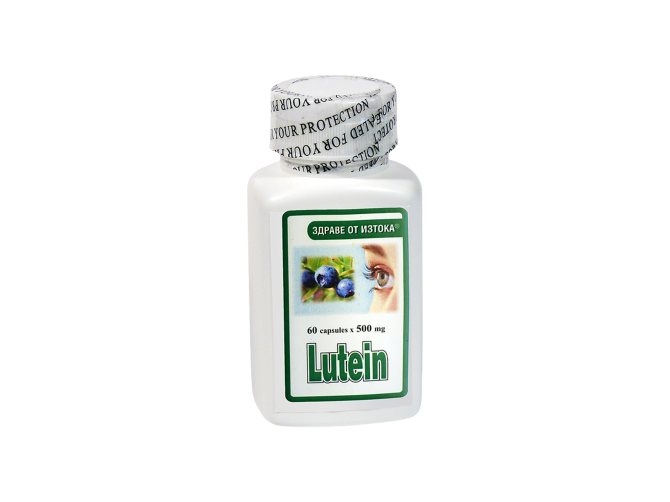
Lutein is a carotenoid found in dark green vegetables such as:
- spinach;
- kale;
- broccoli;
- leafy salads.
These nutrients are part of a healthy diet, but they should not be presented as alternatives to topical sun protection.
Vitamin D: which foods contain it?
Very few foods naturally provide significant amounts of vitamin D.
Some of the better sources include:
- salmon, mackerel, sardines and other oily fish;
- fish liver oils;
- egg yolks;
- certain mushrooms;
- foods specifically fortified with vitamin D.
Dairy products are not necessarily rich in vitamin D unless they have been fortified. Anyone concerned about a possible deficiency should seek medical advice rather than taking high-dose supplements without guidance.
Hydration in hot weather
The body loses more fluid through perspiration during hot weather. Drink water regularly throughout the day rather than waiting until you feel extremely thirsty.
Prolonged physical activity and heavy sweating can also lead to electrolyte loss. Individual requirements depend on the duration and intensity of the activity, the temperature and a person’s health.
Suitable summer choices may include:
- water;
- unsweetened herbal tea;
- soups;
- water-rich fruit and vegetables;
- light meals containing pulses, eggs, fish or seafood.
Avoid excessive alcohol consumption and large amounts of sugary drinks, particularly during the hottest part of the day.
Outdoor activity at the right time
Summer offers many opportunities to exercise outdoors. You could try:
- outdoor yoga;
- walking;
- swimming;
- cycling;
- horse riding;
- gentle exercise in the park.
Choose the cooler morning or evening hours whenever possible. Check the UV Index and avoid strenuous exercise in direct sunlight during the hottest part of the day.
In summary
Nutrition can support the normal condition of the skin and overall wellbeing, but it does not provide complete protection from ultraviolet radiation.
A sensible summer routine combines:
- shade and limited exposure to intense sunlight;
- protective clothing, a hat and sunglasses;
- broad-spectrum sunscreen;
- adequate hydration;
- a varied diet;
- outdoor activity at suitable times.








Post comment