



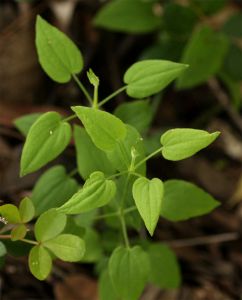
Latin name: Rubia cordifolia Linn. sensu Hook. f. (Rubiaceae)
Sanskrit/Indian name: Manjishtha, Samanga, Manjith, Majith
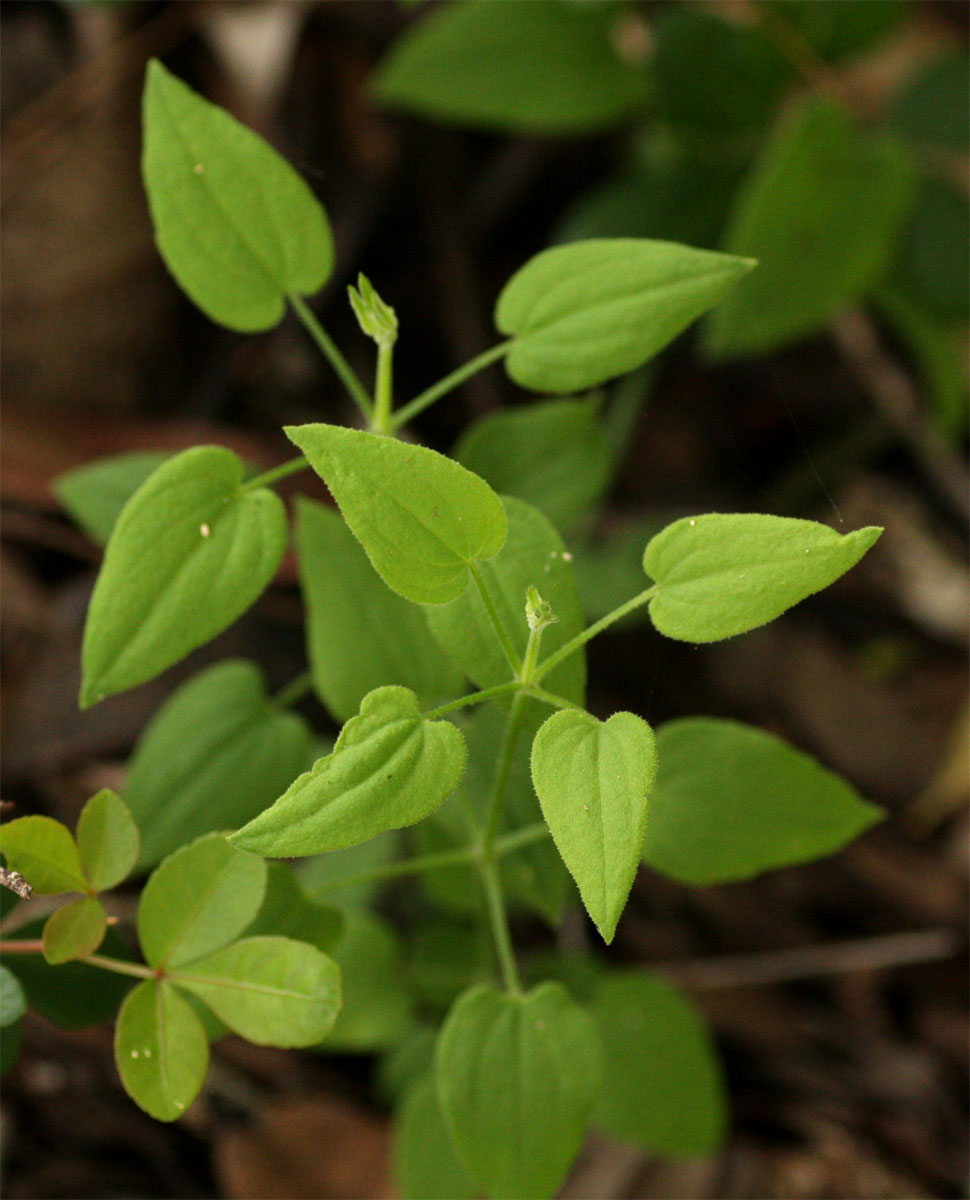
Latin name: Rubia cordifolia Linn. sensu Hook. f. (Rubiaceae)
Sanskrit: Manjishtha, Samanga, Manjith, Majith
Manjishtha is one of the most powerful detoxifying herbs in Ayurvedic medicine. Known for its blood-purifying properties, it supports skin health, internal balance, and overall well-being.
🌸 Origin and Traditional Use
This herb is recognized by the distinctive reddish color of its roots and is commonly found in the Himalayan region and hilly areas of India.
In traditional medicine, the following parts are used:
- Roots
- Leaves
- Seeds
They are applied in conditions such as:
- skin disorders
- hormonal imbalances (amenorrhea)
- liver and gallbladder diseases
- spleen-related issues
Manjishtha possesses antibacterial, expectorant, and diuretic properties, making it suitable for both internal and external use.
💚 Key Health Benefits
✔ Blood Purification: Acts as a powerful natural detoxifier, helping eliminate toxins from the body.
✔ Healthy and Clear Skin: Helps relieve skin conditions such as:
- hyperpigmentation
- acne
- eczema
- allergic reactions
- scabies
✔ Liver and Gallbladder Support: Supports liver function and may help with gallbladder issues.
✔ Hormonal Balance: Traditionally used in cases of amenorrhea and hormonal imbalance.
✔ Overall Wellness Support: Promotes balance and general health.
🌱 Where It Is Found?
Manjishtha is included in various Ayurvedic formulations for skin care and internal health:
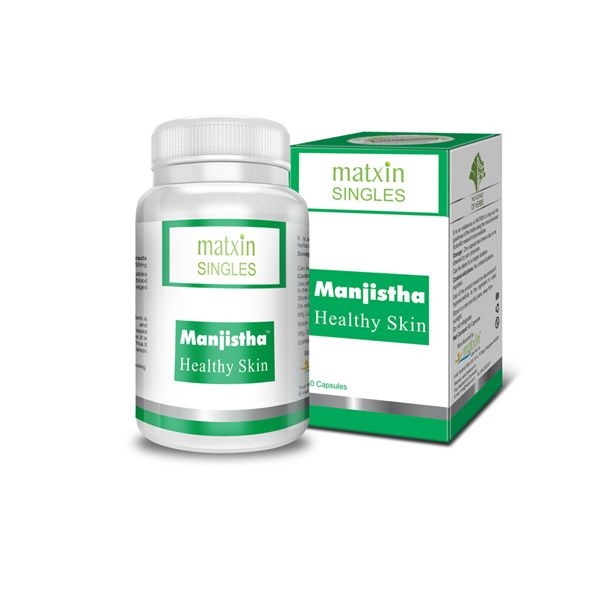
- Manjista
- Cystone
- Rumalaya Tablets
- Septilin
- Septilin Syrup
- Multifunctional Cream
- Anti-wrinkle Cream
✨ Conclusion
Manjishtha is a powerful natural ally for detoxification and skin health. With its deep cleansing properties and wide range of benefits, it holds a key place in both traditional Ayurveda and modern natural wellness practices.






Post comment