






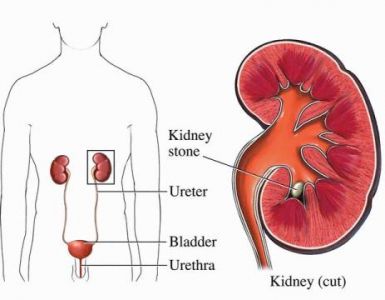
🫀 What are the kidneys?
The kidneys are two vital organs, each about the size of a fist, located on both sides of the spine, just above the waist, and protected by the rib cage.
⚙️ What is the function of the kidneys?
The kidneys act as the body’s “chemical processing center”:
• Maintain fluid and electrolyte balance
• Filter waste products from the blood
• Produce hormones that support red blood cell production
• Help the body utilize vitamin D for strong bones
• Regulate blood pressure
🔄 How does the urinary system work?
The urinary system consists of the kidneys, ureters, bladder, sphincter muscles, and urethra.
• Kidneys filter blood and remove waste
• Ureters transport urine to the bladder
• Bladder stores urine
• Urethra expels urine from the body
🪨 What are kidney stones?
Kidney stones are hard crystalline deposits that can vary in size — from a grain of sand to a large stone. They can form anywhere in the urinary tract.
⚠️ Causes of kidney stones
• Frequent urinary tract infections
• Insufficient fluid intake
• Urinary tract blockages
• Excess intake of calcium, red meat, or vitamin C
• Certain medications
• Metabolic disorders
• Gout or chronic intestinal inflammation
🧭 Symptoms
• Severe pain in the lower back
• Nausea and vomiting
• Fever and painful urination (if infection is present)
• Blood in urine
• Frequent and urgent urination with unpleasant odor
• In some cases — no symptoms, with stones passing naturally
👥 Who is affected?
Kidney stones are more common in men (3:1 ratio), typically between ages 20 and 40. Risk increases during summer due to dehydration.
💧 Prevention
• Drink plenty of water (about 2.5–3 liters daily)
• Avoid excessive vitamin C intake
• Eat a balanced diet rich in fruits and vegetables (watermelon, cucumbers, radishes)
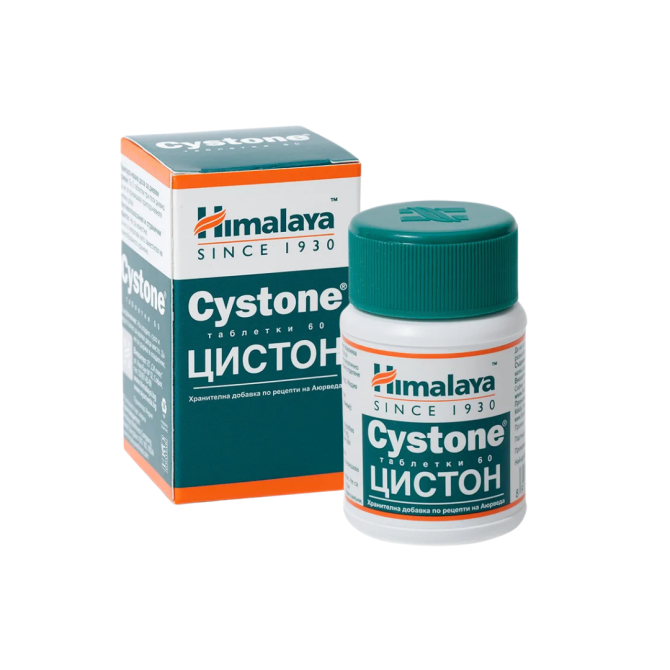
✨ Natural support: Cystone













Post comment