










1. Mindful Eating – The First Step Toward Balance
Ayurveda views digestion as the central mechanism of health. Here are the core guidelines:
- Eat in a calm and peaceful environment — without television, phone, or work distractions.
- Always sit down while eating.
- Eat up to about ¾ of your capacity — feel satisfied, yet light.
- Leave 3–6 hours between meals to allow full digestion.
- Avoid cold foods and drinks.
- Chew thoroughly — digestion begins in the mouth.
- Do not eat immediately before bedtime. If hungry, drink a glass of warm milk.
After eating, take a few minutes to sit quietly before returning to your activities.
2. The Importance of the Six Tastes
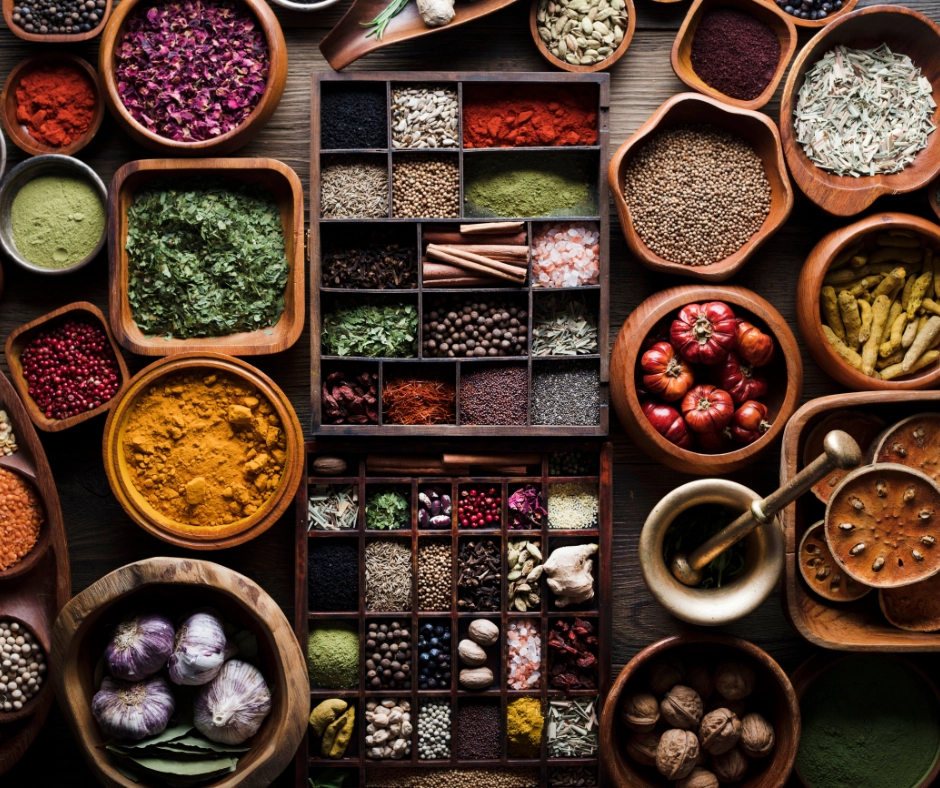
Ayurveda recommends including all six tastes in your daily diet — sweet, sour, salty, pungent, bitter, and astringent. This supports physiological balance and reduces cravings or nutritional deficiencies.
The body naturally expresses its needs through appetite. However, it is important to distinguish true needs from habitual cravings caused by imbalance.
3. Lunch – The Most Important Meal of the Day
According to Maharishi AyurVeda, digestion is strongest at midday (between 12:00 and 1:00 p.m.). Therefore:
- Lunch should be the main meal of the day.
- It should consist of warm, freshly cooked foods including all six tastes.
- It should contain vegetables, whole grains, and quality protein.
Vegetarian protein sources:
- Lentils, chickpeas, and other legumes
- Nuts and seeds
- Tofu and soy products
- Fresh cheese
Non-vegetarian protein sources (best consumed at lunch):
- Meat
- Poultry
- Fish and seafood
4. Light Breakfast and Even Lighter Dinner
Breakfast
Digestion is weaker in the early morning. Suitable options include:
- Stewed fruits (apples, pears, raisins, figs)
- Whole-grain cereals
- Toast with ghee or olive oil
- Soaked nuts
Afternoon Snack
- Fresh fruit
- Dried fruit
- Nuts
- Warm milk or soy milk
Dinner
Dinner should be light and ideally eaten by 6:30 p.m. (after 7:30 p.m., it should be very light, such as soup).
Recommended foods:
- Cooked grains
- Vegetables
- Soups (e.g., lentil soup)
Avoid in the evening:
- Meat
- Cheese
- Yogurt
- Fried and heavy foods
5. Proper Food Preparation
- Food should be prepared in a pleasant and positive environment.
- Meals should be delicious and pleasing to the senses.
- Food should be warm and properly cooked — not burned or undercooked.
- Prefer fresh food; avoid reheated, frozen, and highly processed products.
- Choose organically grown foods whenever possible.
- Avoid genetically modified and heavily processed foods.
Dietary changes should be gradual — the body adapts best step by step.
6. Small Habits, Big Impact
- Do not skip breakfast.
- Avoid eating before bed.
- Respect your body’s natural rhythm.
- Maintain consistent meal times.
Balance does not come from strict restriction, but from rhythm, moderation, and awareness.












Post comment