




CONTENT
- What Is Fatty Liver
- How Ayurveda Views Liver Health
- Main Ayurvedic Causes of Fatty Liver
- Symptoms According to Ayurveda
- Why Spring Is a Key Time for Recovery
- Ayurvedic Dietary Guidelines
- Ayurvedic Herbs and Natural Approaches
- Food Supplements
- Conclusion
1. What Is Fatty Liver
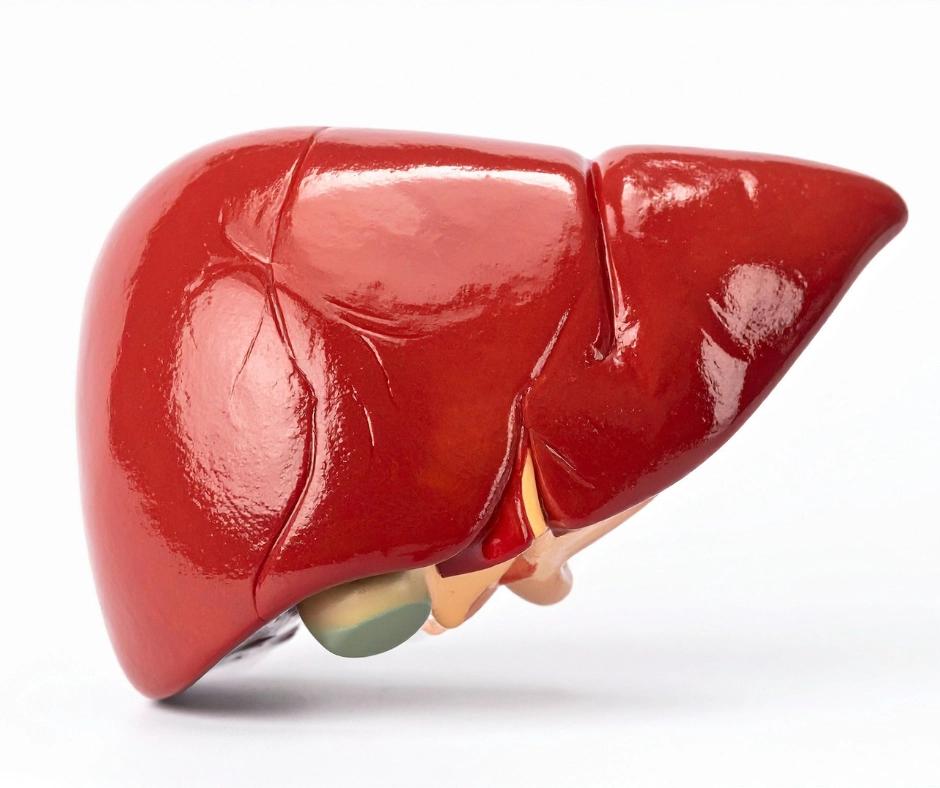
Fatty liver (hepatic steatosis) is characterized by the accumulation of fat in the liver cells. It often develops without obvious symptoms, but over time it may lead to fatigue, digestive issues, and metabolic imbalance. From an Ayurvedic perspective, this condition is not seen as an isolated disease, but rather as a sign of a deeper imbalance in lifestyle, diet, and emotional well-being.
2. How Ayurveda Views Liver Health
In Ayurveda, the liver is closely connected to Pitta dosha – the principle of transformation, digestion, and metabolism. When Pitta is in balance, the liver functions optimally. However, when Pitta accumulates or becomes stagnant, inflammation, toxins (ama), and fat accumulation may develop.
3. Main Ayurvedic Causes of Fatty Liver
According to Ayurveda, the condition is aggravated by:
- Heavy, oily, fried, and highly processed foods
- Excessive consumption of sugar and alcohol
- Sedentary lifestyle
- Suppressed emotions such as anger and irritability
- Weak digestive fire (Agni)
All these factors lead to the accumulation of ama — metabolic toxins that the liver is unable to properly process.
4. Symptoms According to Ayurveda
Fatty liver may manifest through:
- Persistent fatigue and low energy
- Heaviness after meals
- Bitter taste in the mouth
- Skin issues
- Irritability and emotional tension
- Weight gain, especially around the abdominal area
5. Why Spring Is a Key Time for Recovery
In Ayurveda, spring is the season when the accumulated Kapha dosha from winter begins to “melt.”
This makes it an ideal time for:
- Gentle detoxification
- Supporting liver function
- Stimulating metabolism
- Restoring the body’s natural rhythm
6. Ayurvedic Dietary Guidelines
To support the liver, Ayurveda recommends:
- Warm, light, and easily digestible meals
- More bitter and astringent tastes
- Vegetables such as artichoke and leafy greens
- Spices: chicory, turmeric, coriander, fennel, cumin
- Warm water or herbal teas throughout the day
Avoid heavy, cold, and fatty foods, especially in the evening.
7. Ayurvedic Herbs and Natural Approaches
Traditionally, Ayurveda uses herbs for gentle liver support, such as:
- Turmeric – supports detoxification
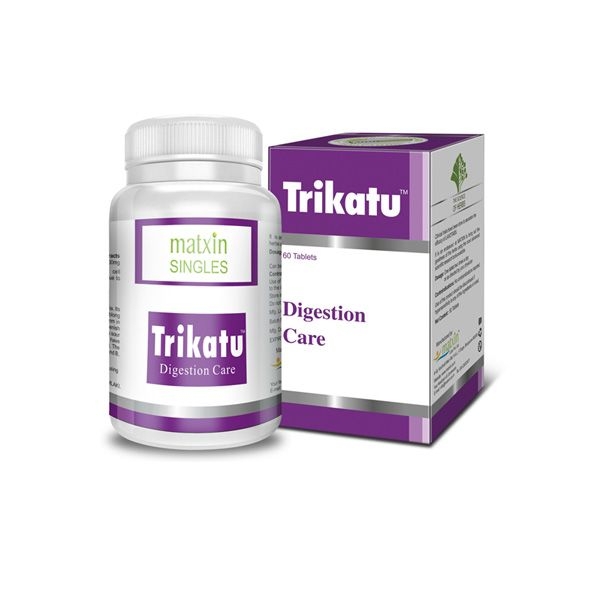
- Triphala – balances digestion
- Guduchi – supports metabolism
8. Food Supplements
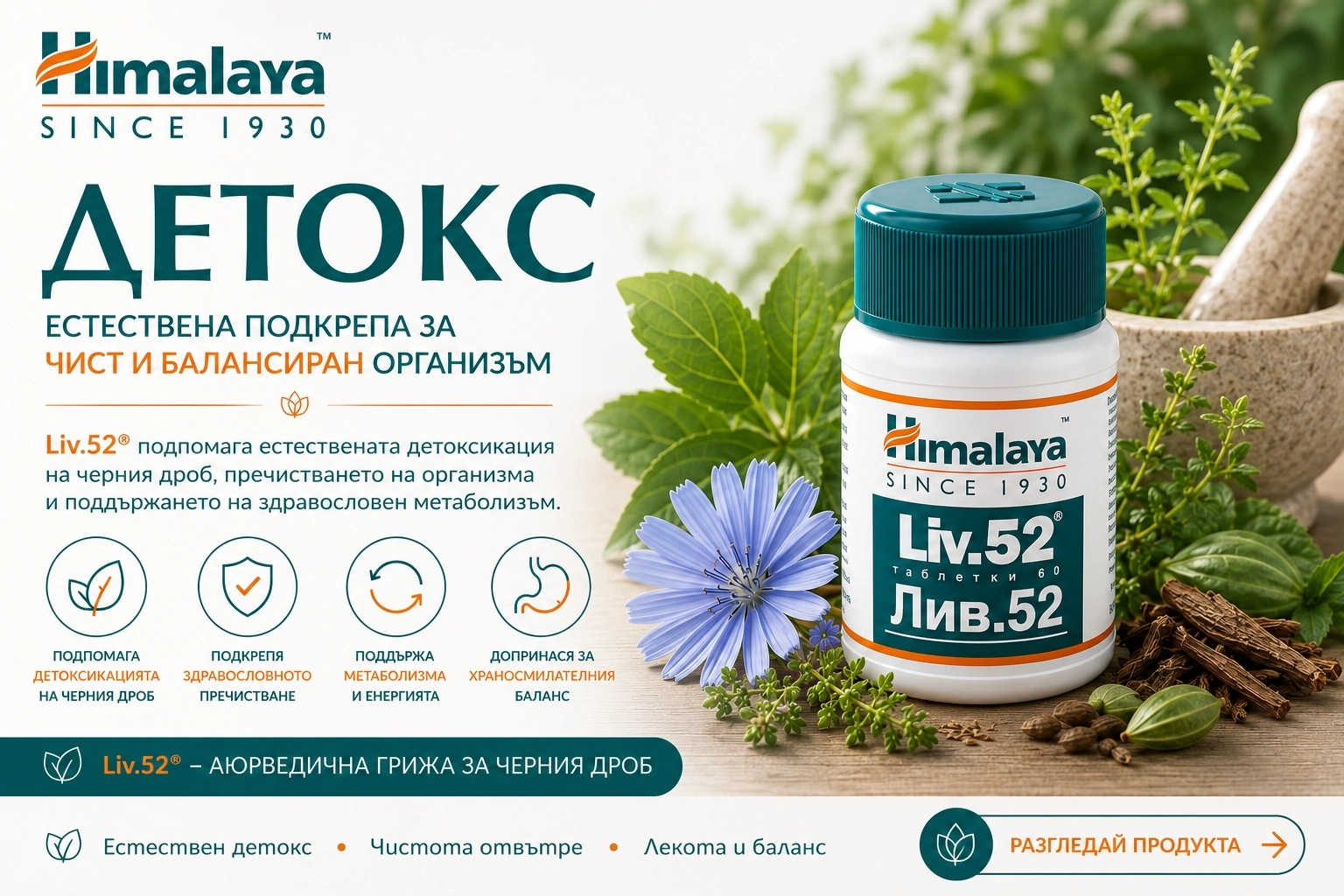
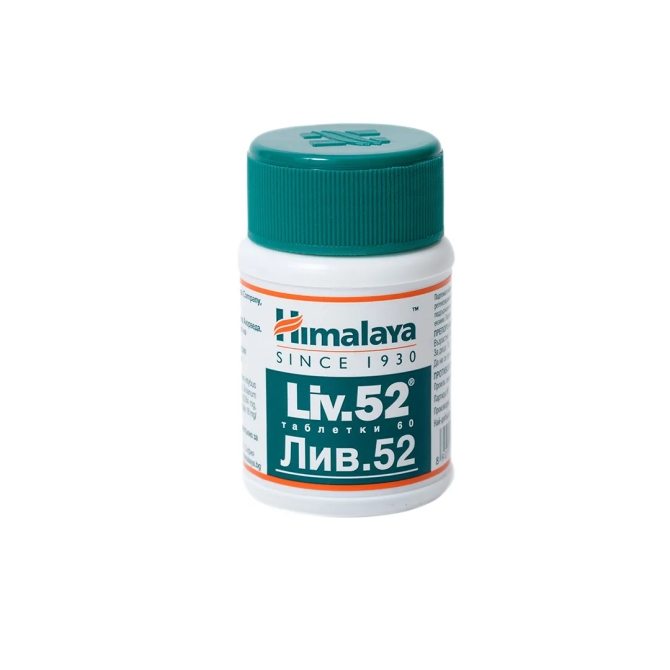
- Liv.52
- Liv. GNX
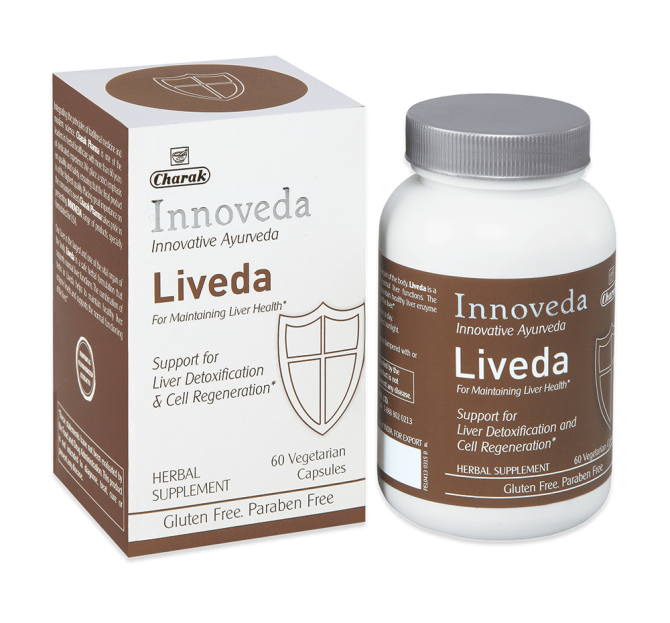
- Liveda
- Ama Cleanse
- Pitta Balance
Complementary practices include:
- Gentle yoga and twisting poses
- Breathing techniques (pranayama)
- Regular eating and sleeping routines
9. Conclusion
Fatty liver is an invitation for change. Ayurveda teaches us to see it not as an enemy, but as a signal that balance, care, and awareness are needed. Spring is the perfect time to support the body in a natural and sustainable way.








Post comment